Curie Brief
Turn on cookies to sign in
Signing in saves your progress to your Curie account. We can only do that with cookies on — turn them on to continue.

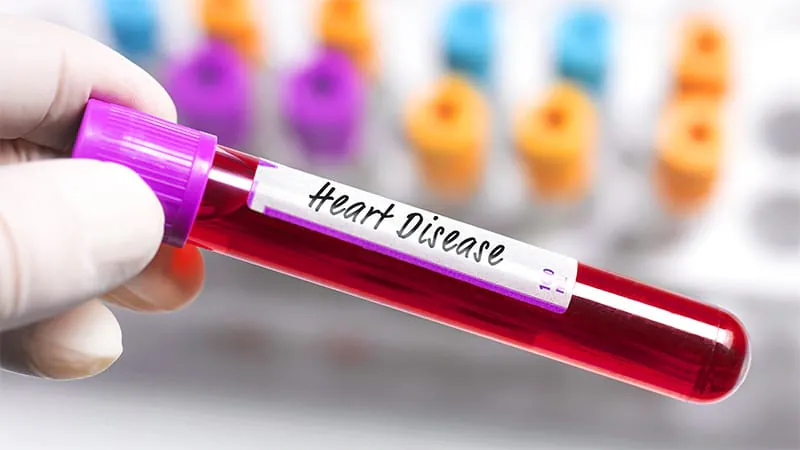
Evolocumab (Repatha) significantly reduces mortality in primary prevention patients. A prespecified analysis of the phase 3 VESALIUS-CV trial found that evolocumab cut all-cause mortality by 20% compared to placebo in patients at high cardiovascular risk who had never had a heart attack or stroke. The findings, presented at the ESC Congress and published in Circulation, suggest the drug can meaningfully alter a patient's long-term health trajectory.
A major new analysis of the phase 3 VESALIUS-CV trial shows that evolocumab (Repatha, Amgen) doesn't just prevent heart attacks and strokes — it saves lives. Among over 12,000 patients at high cardiovascular risk who had never experienced a prior MI or stroke, those treated with evolocumab saw a 20% reduction in all-cause mortality compared to placebo over a median follow-up of 4.6 years. The results were presented at the European Society of Cardiology Congress and simultaneously published in Circulation.
Researchers noted that the mortality benefit began to emerge after about 1.5 years of treatment and was consistent across subgroups and death subtypes. Experts explained that by preventing first cardiovascular events, evolocumab helps keep patients out of a higher-risk "frailty spiral" that makes them more vulnerable to non-cardiac causes of death like infections or cancer.
By the Numbers:
Why it matters: These findings make a compelling case for aggressive LDL-lowering in primary prevention — not just to avoid heart attacks, but to extend life. For clinicians managing high-risk patients who haven't yet had a cardiovascular event, evolocumab may now be a stronger consideration than ever.