Curie Brief
Turn on cookies to sign in
Signing in saves your progress to your Curie account. We can only do that with cookies on — turn them on to continue.
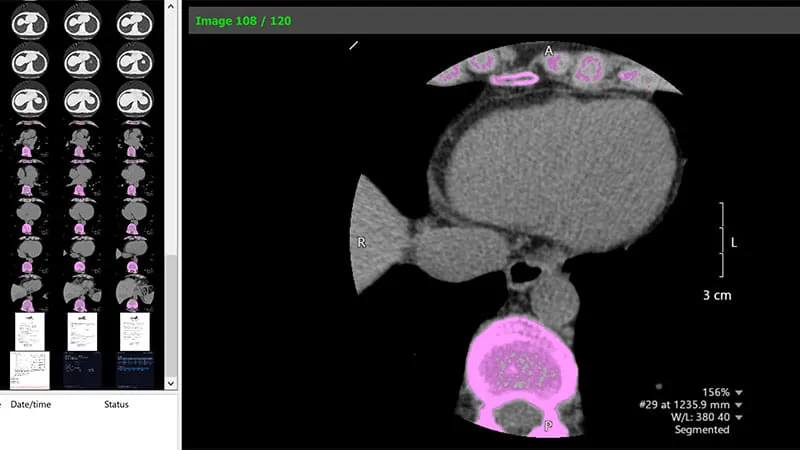
A 14-question online survey accurately identified middle-aged adults at high risk for coronary artery calcium (CAC), a key marker of heart disease. In a Swedish study, the model's predicted CAC prevalence nearly perfectly matched real CT scan results. Strikingly, nearly two-thirds of high-risk individuals weren't on any lipid-lowering therapy — highlighting a major gap in preventive care.
Could a quick online quiz replace the need for broad, costly cardiac screening? A new study published in Heart suggests it just might — at least as a smart first filter. Researchers in Sweden invited 8,000 adults aged 59–60 to complete a 14-item self-report questionnaire designed to predict their likelihood of having significant coronary artery calcium (CAC), a well-established marker of cardiovascular risk. Those flagged as high-risk were then offered a CT scan to confirm.
The results were remarkably accurate: the model predicted a 28.3% prevalence of elevated CAC, and the actual observed rate came in at 28.4% — nearly a perfect match. But perhaps the most striking finding wasn't about the screening tool itself — it was about what happened after: the majority of high-risk individuals weren't receiving adequate preventive treatment.
By the Numbers:
Why it matters: This approach offers a low-cost, scalable way to identify people who need cardiac imaging — and more importantly, those who need preventive treatment they're not yet receiving. For primary care providers, it's a potential game-changer in closing the cardiovascular prevention gap.