Curie Brief
Turn on cookies to sign in
Signing in saves your progress to your Curie account. We can only do that with cookies on — turn them on to continue.
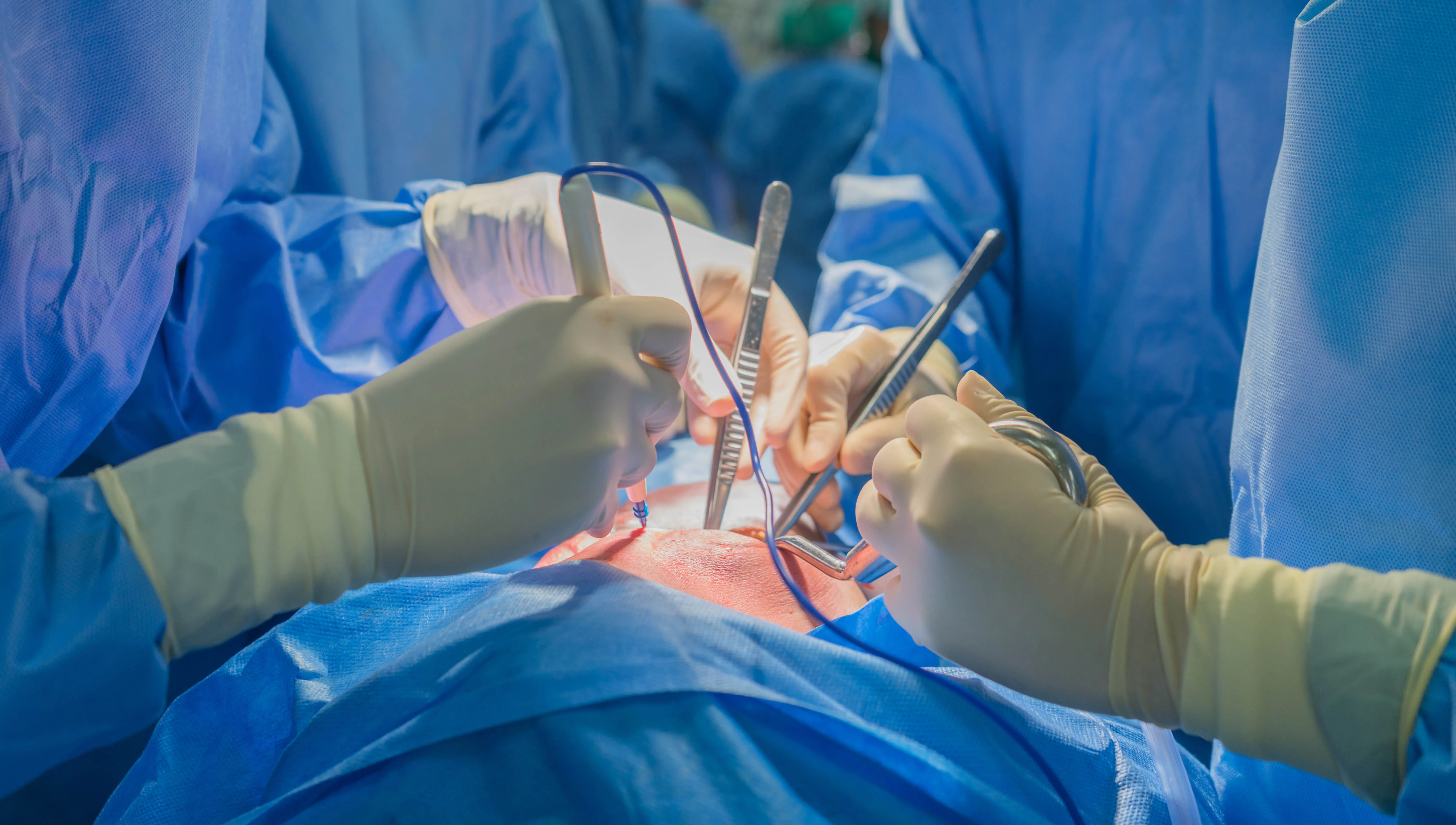
Hearts donated after circulatory death (DCD) are being used in more US transplants than ever, and early outcomes remain stable despite a more complex patient mix. A UNOS registry analysis of nearly 1,500 recipients found no significant differences in 1-year mortality or graft failure between early and late eras. But an editorial warns that public trust — shaken by ethical controversies — must not be overlooked.
Hearts donated after circulatory death (DCD) are rapidly becoming a bigger part of the US transplant landscape, and new data suggest the expansion isn't coming at the cost of patient outcomes. A UNOS registry analysis published in the Journal of Cardiac Failure tracked 1,489 DCD heart recipients from 2019 to 2024, comparing early adopters with those transplanted in the later, high-growth era. Despite recipients in the later period being sicker — with higher rates of pulmonary hypertension, functional impairment, and need for mechanical circulatory support — outcomes remained remarkably consistent.
The number of participating transplant centers more than tripled (from 22 to 67), yet performance didn't suffer. Researchers credit standardized procurement protocols and shared national expertise for enabling high-quality results right from the start at newer centers.
By the Numbers:
Why it matters: DCD transplantation could meaningfully ease the chronic organ shortage — but an accompanying editorial cautions that troubling media reports and evolving federal oversight have eroded public trust. Long-term success, the authors stress, hinges on maintaining transparency and ethical integrity in the donation process.