Curie Brief
Turn on cookies to sign in
Signing in saves your progress to your Curie account. We can only do that with cookies on — turn them on to continue.

Pennsylvania is threatening to pull its CDC emergency assistance request unless the agency publicly acknowledges four measles-related deaths amid the nation's largest outbreak. Meanwhile, President Trump proposed splitting childhood vaccine doses into five smaller shots given over 30 months — a plan experts warn would make vaccines ineffective and fuel more preventable illness.
Pennsylvania's measles outbreak — now the largest in the country — is at the center of two major controversies. State Health Secretary Debra Bogen sent a formal letter to the CDC demanding the agency publicly recognize four measles-associated deaths as a condition of receiving emergency Epi-Aid assistance. "The CDC's choice not to publicly recognize the deaths undermines our response," Bogen wrote, warning the state would rescind its request if the CDC can't communicate transparently. Governor Josh Shapiro had flagged the standoff late last week.
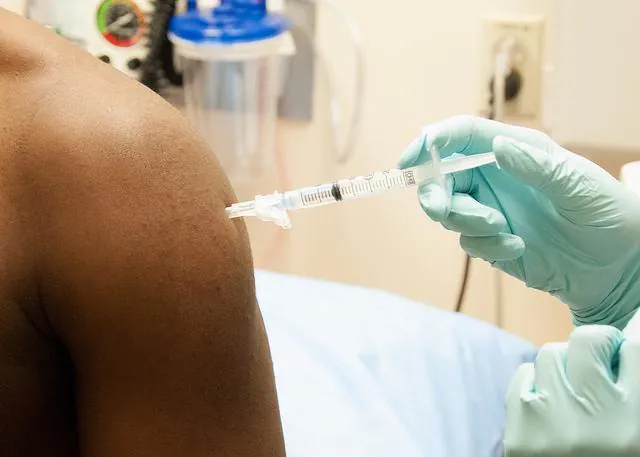
On a separate front, President Trump announced in the Oval Office that he would propose breaking up some childhood vaccine doses into five separate shots — each at 20% of a standard dose — administered at six-month intervals. He claimed the move would lead to a "massive reduction in autism," a claim unsupported by science. Vaccine experts swiftly pushed back, saying the plan would render vaccines ineffective and increase the risk of vaccine-preventable diseases.
By the Numbers:
Why it matters: The combination of a growing outbreak, a federal transparency dispute, and a presidential push to dilute vaccine schedules creates a perfect storm for public health. Experts warn that undermining vaccine confidence and efficacy could fuel more outbreaks of diseases that were once largely under control.