Curie Brief
Turn on cookies to sign in
Signing in saves your progress to your Curie account. We can only do that with cookies on — turn them on to continue.
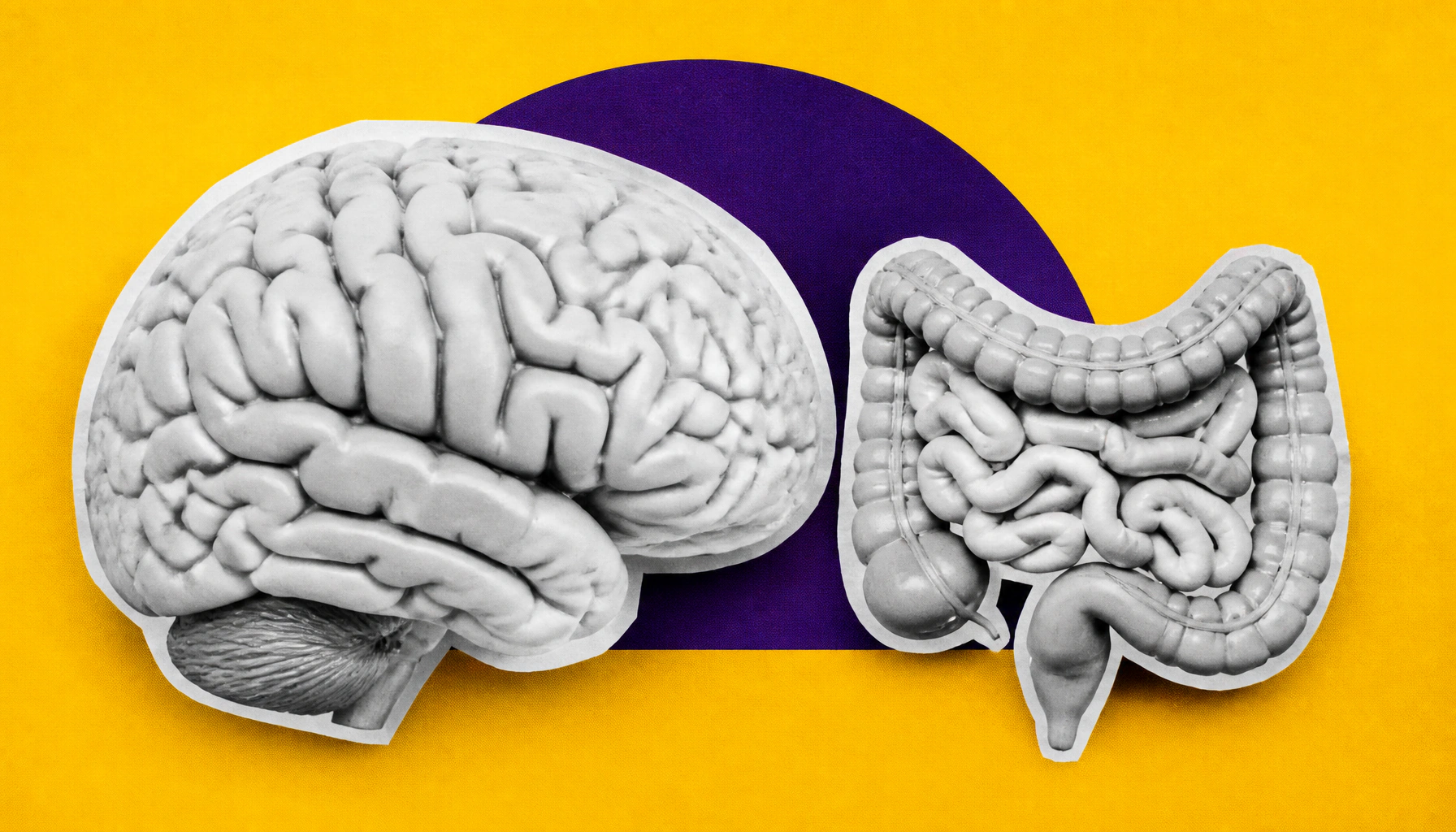
People with ADHD are nearly 50% more likely to experience gastrointestinal symptoms than those without the condition, according to a meta-analysis of 1.9 million people. The study found elevated odds across a wide range of GI issues — from IBS to constipation to encopresis. Researchers say clinicians should routinely ask ADHD patients about their digestive health.
A major new meta-analysis published in the Journal of Attention Disorders reveals a striking connection between ADHD and digestive health. Researchers at the University of Warwick analyzed data from 23 studies spanning 11 countries and more than 1.9 million participants — and found that people with ADHD had nearly 50% higher odds of experiencing gastrointestinal (GI) symptoms compared to neurotypical individuals.
The link held across virtually every GI condition examined. Researchers point to several possible explanations, including ADHD-related impulsivity and irregular eating habits, medication side effects, and differences in the gut microbiome that may disrupt communication along the gut-brain axis. Importantly, the study identifies an association, not a proven causal relationship — more research is needed to untangle the underlying biology.
By the Numbers:
Why it matters: GI symptoms can significantly affect quality of life, and they may be easy to overlook when clinical attention is focused on ADHD itself. The authors urge clinicians to take a holistic approach — routinely screening ADHD patients for digestive issues and referring to dietitians or gastroenterologists when needed.