Curie Brief
Turn on cookies to sign in
Signing in saves your progress to your Curie account. We can only do that with cookies on — turn them on to continue.
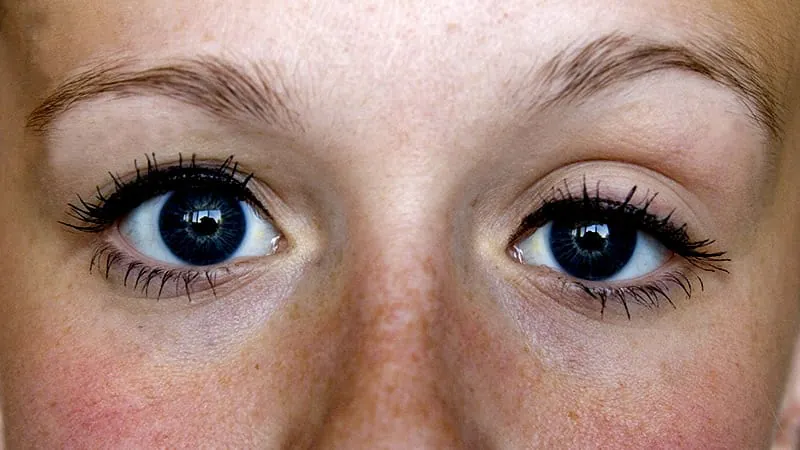
Children born with congenital ptosis (drooping eyelids) are nearly three times more likely to be diagnosed with ADHD compared to the general pediatric population. A study of over 850 children found an 18% ADHD rate among those with ptosis, versus 5.6%–7.6% in the broader population. Boys, children who had surgery, and those with residual drooping faced the highest risk.
A new study published in the British Journal of Ophthalmology has uncovered a striking connection between congenital ptosis — a condition where children are born with drooping eyelids — and attention-deficit/hyperactivity disorder (ADHD). Analyzing records from over 850 children across 12 Israeli hospitals, researchers found that nearly 1 in 5 kids with congenital ptosis were diagnosed with ADHD, a rate almost three times higher than the 5.6%–7.6% seen in the general pediatric population.
The elevated risk wasn't uniform across all patients. Boys, children diagnosed with ptosis after age 1, those who underwent eyelid surgery, kids with lingering drooping after surgery, and those treated with eye patching for lazy eye all faced significantly higher odds of an ADHD diagnosis. Notably, even when children with other eye conditions were excluded, the ADHD rate among those with ptosis alone remained elevated at 12%, suggesting the link isn't simply a byproduct of other ocular issues.
By the Numbers:
Why it matters: This research signals that congenital ptosis may be more than just an eye issue — it could be an early marker for neurodevelopmental conditions like ADHD. Experts are calling for collaborative screening protocols between ophthalmologists, neurologists, and psychologists to catch ADHD early in this high-risk group.