Curie Brief
Turn on cookies to sign in
Signing in saves your progress to your Curie account. We can only do that with cookies on — turn them on to continue.
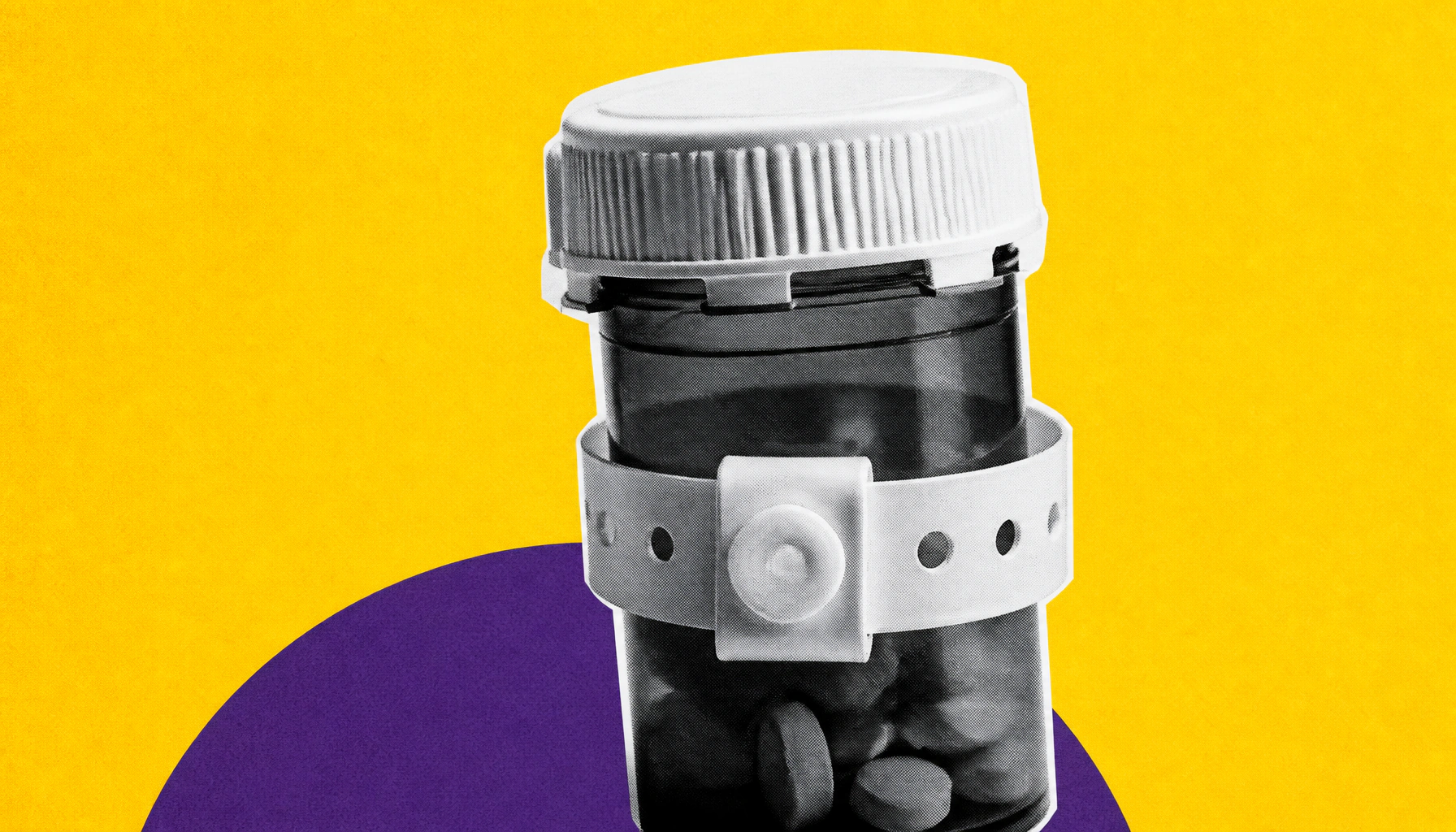
Keeping patients in the building pays off. A new study found that giving buprenorphine to hospitalized psychiatric patients at risk for both opioid and alcohol withdrawal significantly reduced early, patient-directed discharges and lowered psychiatric readmission rates at 30 and 90 days. Earlier initiation of the medication appeared to offer the greatest benefit for keeping patients in the hospital.
A new retrospective study published in the Substance Use & Addiction Journal found that administering buprenorphine to hospitalized psychiatric patients at risk for concurrent opioid and alcohol withdrawal led to meaningfully better outcomes — both during and after their hospital stay. The study analyzed 332 admission encounters across 115 Veterans Affairs patients and found that those who received buprenorphine were far less likely to leave the hospital against medical advice and far more likely to avoid a return trip.
The findings are notable given longstanding clinical hesitancy around combining opioid agonists with alcohol withdrawal medications (like benzodiazepines) due to respiratory depression concerns — a worry that may have been limiting treatment in a population that clearly benefits.
By the Numbers
Why it matters: For clinicians treating patients with overlapping substance use disorders, this study offers real-world evidence that buprenorphine can improve hospital retention and reduce costly readmissions — even in a complex, dual-withdrawal population.