Curie Brief
Turn on cookies to sign in
Signing in saves your progress to your Curie account. We can only do that with cookies on — turn them on to continue.
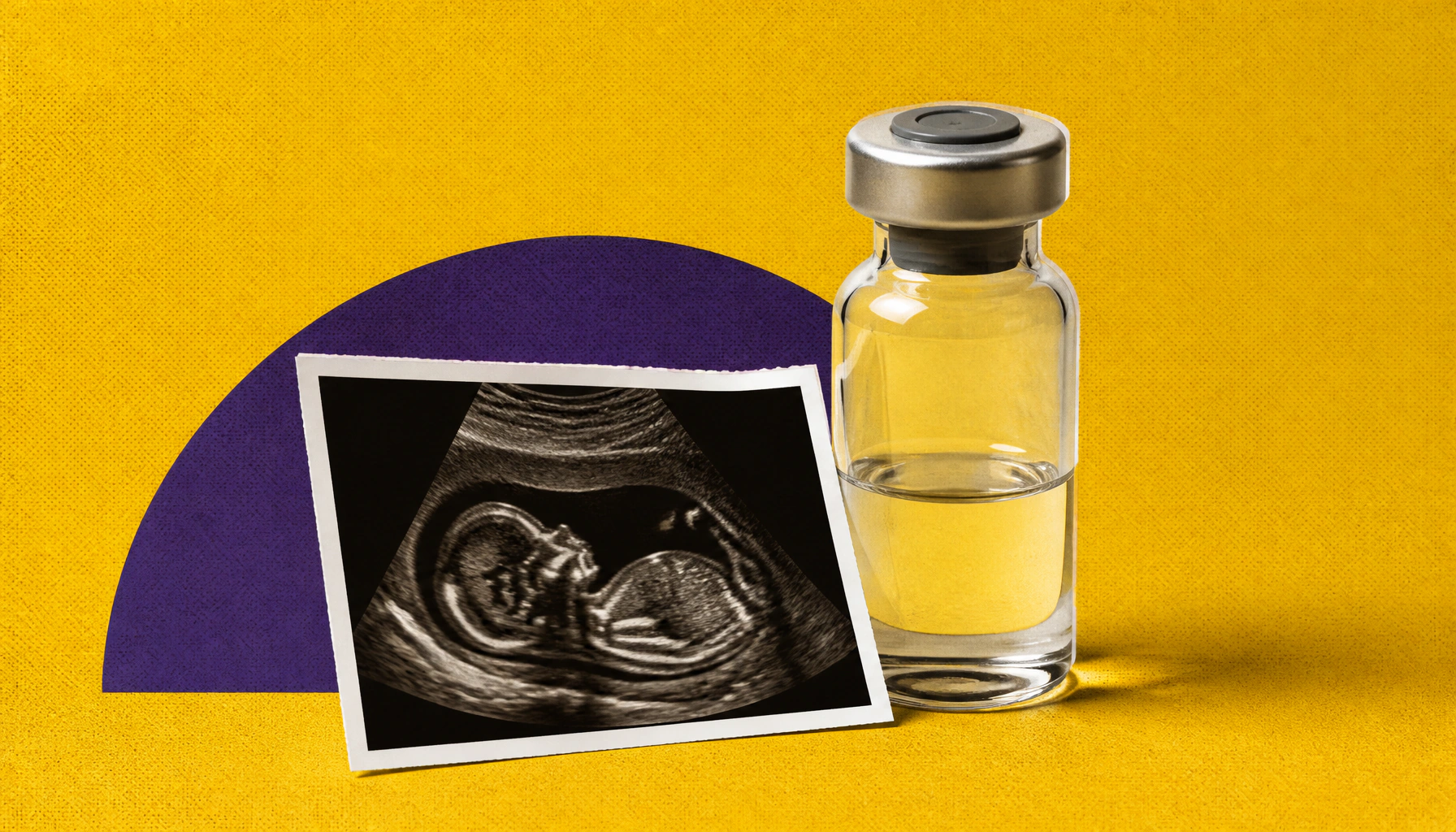
A landmark phase 3 trial found that lenacapavir — a twice-yearly injectable HIV prevention drug — is safe and effective for pregnant, postpartum, and lactating women. The PURPOSE 1 study tracked over 5,000 women and 500+ pregnancies, recording zero new HIV infections and no significant safety concerns. The findings bolster confidence in expanding lenacapavir's use to one of the most vulnerable populations in HIV prevention.
A long-acting HIV prevention drug just got a big vote of confidence for use during pregnancy. New data from the landmark PURPOSE 1 phase 3 trial show that lenacapavir (Yeztugo, Gilead) — a twice-yearly injectable pre-exposure prophylaxis (PrEP) — is safe and effective for pregnant, postpartum, and breastfeeding women, with no new HIV infections recorded among participants.
The trial enrolled over 5,300 cisgender women and adolescent girls in South Africa and Uganda, comparing lenacapavir to two daily oral PrEP regimens. Pregnant participants were allowed to stay in the study with additional consent, giving researchers a rare window into drug behavior across all trimesters and postpartum. Lenacapavir was detected in breastmilk, but infant plasma exposure was minimal — a reassuring finding for nursing mothers.
By the Numbers:
Why it matters: Pregnant and lactating women face heightened HIV risk but are often excluded from clinical trials. These results provide critical safety and efficacy data that could support broader real-world use of lenacapavir PrEP in this underserved population — a meaningful step forward in global HIV prevention efforts.