Curie Brief
Turn on cookies to sign in
Signing in saves your progress to your Curie account. We can only do that with cookies on — turn them on to continue.
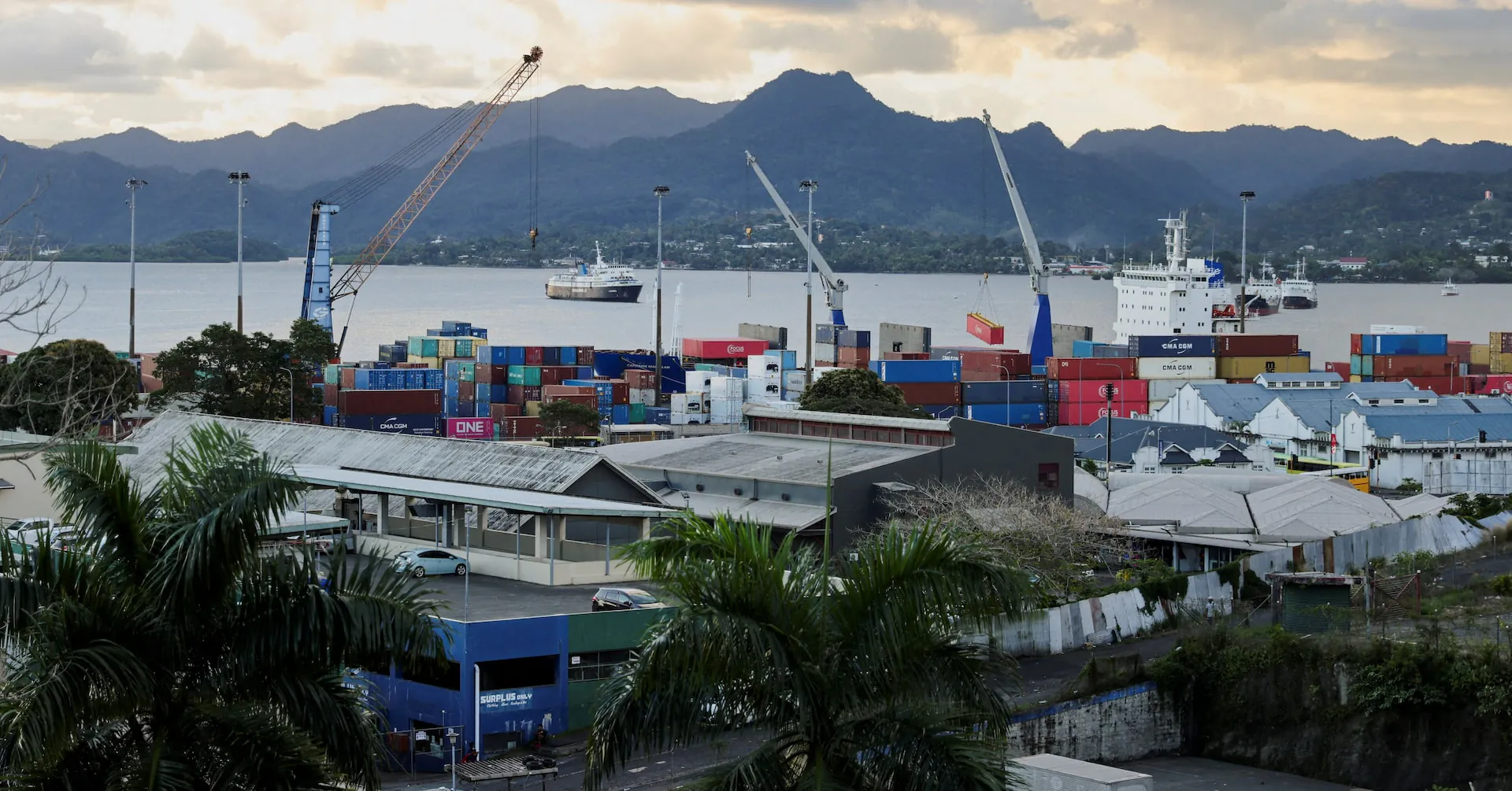
Fiji is sounding the alarm on HIV after new diagnoses jumped 27% in a single year, prompting the government to declare it a national crisis. The epidemic, once largely confined to people who inject drugs, is now spreading through sexual transmission too. Fiji is rolling out expanded free testing, PrEP access, and a needle-and-syringe program to fight back.
Fiji is confronting one of the world's fastest-growing HIV epidemics, officially declaring the disease a national crisis after new diagnoses surged 27% last year. The Pacific island nation of roughly 900,000 people recorded 2,016 new HIV diagnoses in 2025, with the government estimating that 1 in 60 adults is now living with the virus — a striking figure for a country outside sub-Saharan Africa.
The crisis is no longer limited to a single risk group. While injecting drug use has historically driven infections, more than half of cases with a known transmission route are now linked to sexual transmission, signaling a broader spread across the population. Tragically, 59 babies were born with HIV last year, and 18 died before their first birthday.
In response, Fiji is expanding free, voluntary, and confidential testing, widening access to pre-exposure prophylaxis (PrEP), and launching a needle-and-syringe program. A five-minister Cabinet subcommittee has been formed to cut through bureaucratic barriers.
By the Numbers:
Why it matters: UNAIDS Executive Director Winnie Byanyima called Fiji's situation "a stark reminder to the world that AIDS is not over." With the majority of those infected unaware of their status and fewer than a quarter receiving treatment, the gap between diagnosis and care is vast — and closing it fast is critical to preventing further spread.