Curie Brief
Turn on cookies to sign in
Signing in saves your progress to your Curie account. We can only do that with cookies on — turn them on to continue.
When standard dry eye treatments stop working, the culprit may be a severely underdiagnosed condition called obstructive MGD. A new combined protocol — meibomian gland probing, LipiFlow, and anti-inflammatory therapy — is showing promising results, including halted disease progression and even gland regeneration in some patients.
Meibomian gland dysfunction (MGD) affects up to 68% of adults over 40, yet it's frequently asymptomatic and underdiagnosed. Standard first-line treatments — warm compresses, lid hygiene, omega-3s, and in-office heat devices like LipiFlow — work well for many patients. But for those who don't improve, a distinct and often overlooked subtype called obstructive MGD (OMGD) may be to blame. Unlike typical MGD, OMGD involves physical blockages made of keratin, cellular debris, and fibrosis that heat therapy simply can't clear.
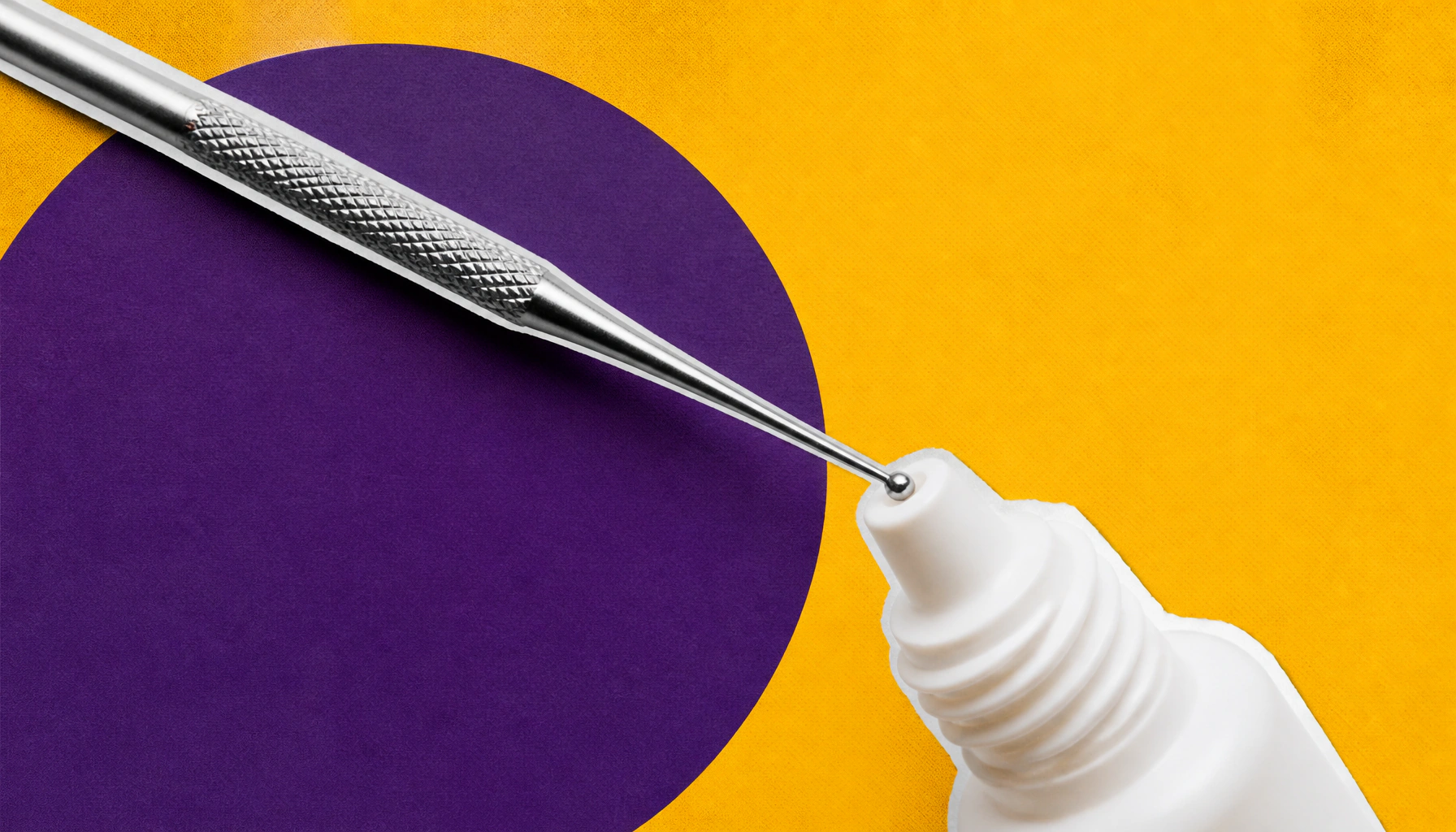
A retrospective review by Drs. Muller and Sivarak — covering more than 1,100 eyelids since 2018 — tested a combined protocol: meibomian gland probing (MGP) to mechanically clear blockages, followed immediately by LipiFlow to flush gland contents, then a 4-week anti-inflammatory regimen. Results were encouraging: patients reported significantly better symptom relief compared to prior treatments, reduced medication dependence, and improved gland function. Notably, some patients showed anatomic gland regeneration — something once thought impossible.
Key Takeaways:
Why it matters: OMGD is a real but widely missed diagnosis. Recognizing it — and treating it with the right tools — could spare patients years of ineffective therapy and meaningfully improve quality of life for millions living with chronic dry eye disease.