Curie Brief
Turn on cookies to sign in
Signing in saves your progress to your Curie account. We can only do that with cookies on — turn them on to continue.
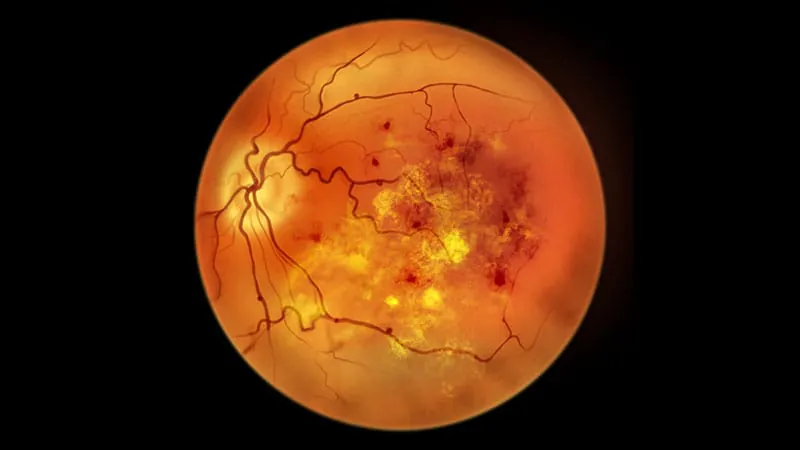
Common meds, surprising eye benefits. A large retrospective study found that type 2 diabetes patients taking cetirizine, ibuprofen, or prednisone had a 37%–64% lower risk of developing serious diabetic eye complications. The findings suggest inflammation may play a bigger role in diabetic retinopathy than previously recognized — and that widely available drugs could offer meaningful protection.
Common anti-inflammatory drugs may shield diabetic eyes from serious damage
A large retrospective study published in Ophthalmology found that patients with type 2 diabetes who used common anti-inflammatory medications — cetirizine (an antihistamine), ibuprofen (an NSAID), or prednisone (a steroid) — had a 37%–64% lower risk of developing diabetic macular edema (DME) or proliferative diabetic retinopathy (PDR), two vision-threatening complications of diabetes.
Researchers analyzed health records from over 86,000 matched patient pairs in the TriNetX US Collaborative Network, tracking new eye complications over three years. The risk reductions were comparable to those seen with fenofibrate — a drug already known to protect against diabetic eye disease — while gabapentin, a pain medication with no anti-inflammatory activity, showed no such benefit, strengthening the case for an inflammation-driven mechanism.
By the Numbers
Why it matters: These findings open the door to repurposing widely accessible, affordable medications for diabetic eye disease prevention — a significant opportunity given the global burden of diabetic retinopathy. However, as a retrospective study, it cannot confirm causation, and clinical trials are needed before any practice changes.