Curie Brief
Turn on cookies to sign in
Signing in saves your progress to your Curie account. We can only do that with cookies on — turn them on to continue.
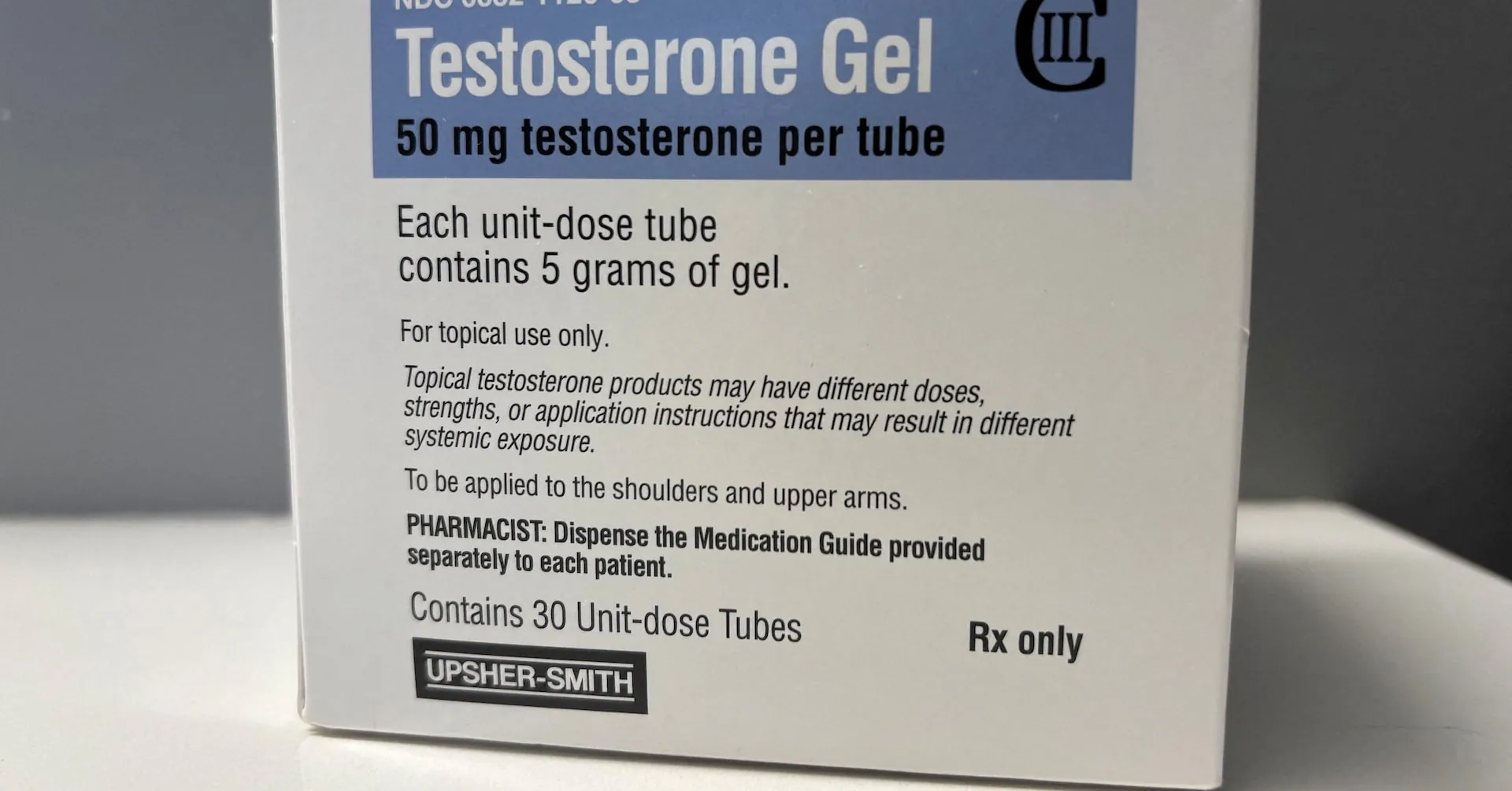
The Pentagon is moving forward with mandatory testosterone deficiency screening for all U.S. service members aged 30 and older, lifting a brief pause put in place in early September. Defense Secretary Pete Hegseth first announced the program in July, framing it as a military readiness initiative. Medical experts continue to warn the policy is scientifically unsupported and could cause harm.
The Pentagon has reinstated its mandatory testosterone deficiency screening program for U.S. service members aged 30 and older, just weeks after temporarily pulling the clinical guidance "to allow for updates." Defense Secretary Pete Hegseth — a vocal proponent of testosterone therapy — originally announced the mandate in July, pitching it as a way to boost military readiness by addressing age-related hormonal decline. It remains unclear what, if any, changes were made to the policy during the brief pause.
Under the reinstated guidance, men 30 and older will undergo standardized screening and treatment pathways for testosterone deficiency. Women will also be screened via questionnaire for hormonal imbalances, with testosterone prescribed only in cases where evidence supports its use — such as Hypoactive Sexual Desire Disorder.
Key Takeaways:
Why it matters: This policy puts thousands of active-duty and reserve service members in the path of a screening program that many clinicians say is not backed by evidence — raising real concerns about patient safety and the medicalization of normal aging in a military context.