Curie Brief
Turn on cookies to sign in
Signing in saves your progress to your Curie account. We can only do that with cookies on — turn them on to continue.
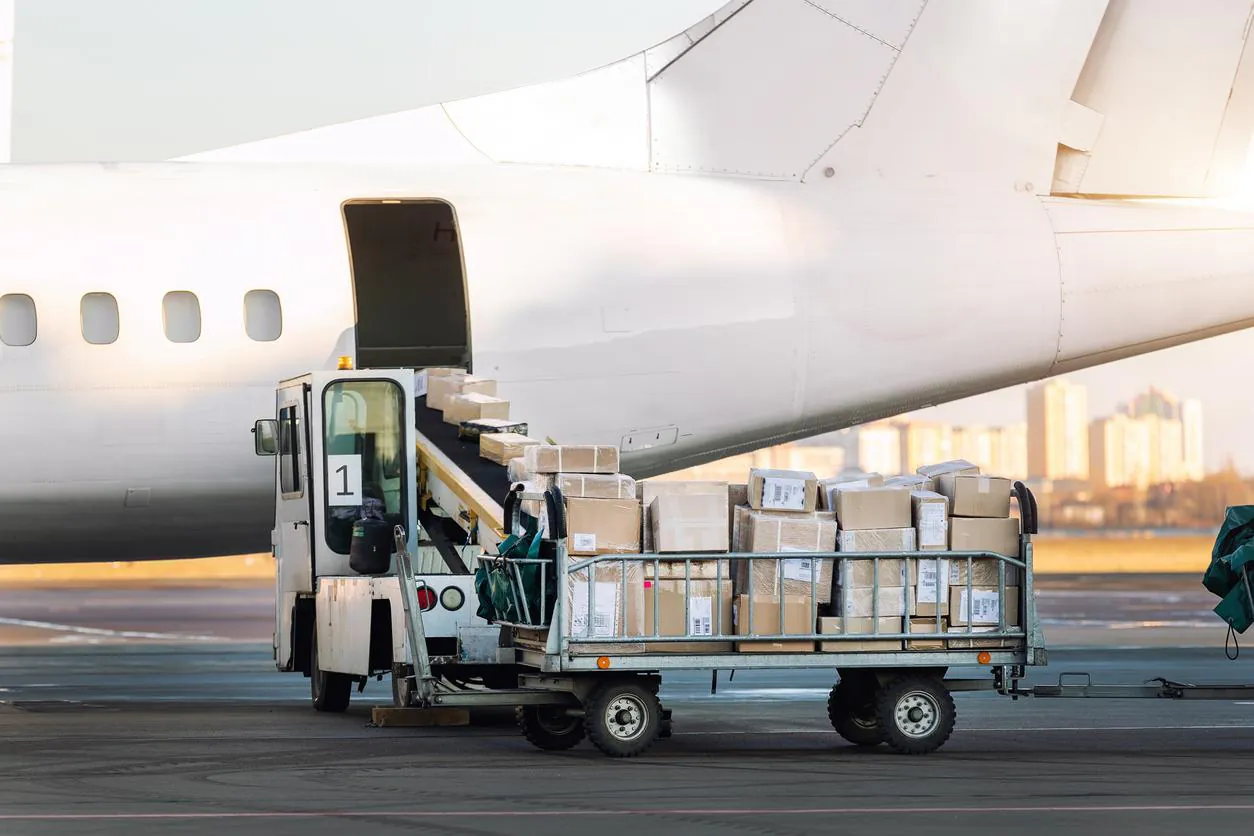
A new GAO report finds that Project Airbridge, a federal initiative, airlifted 1.2 billion PPE items into the US in the early months of COVID-19, cutting shipment times from 40 days to just 7. While the program helped address critical supply shortages, some industry stakeholders questioned whether the expanded federal role was necessary — and said better communication could have made it even more effective.
A new report from the US Government Accountability Office (GAO) sheds light on how Project Airbridge — a federal emergency initiative — helped fast-track personal protective equipment (PPE) into the country during the early months of the COVID-19 pandemic. From March through June 2020, FEMA funded 437 flights that delivered roughly 1.2 billion PPE items from overseas manufacturers, slashing shipment times from an estimated 40 days (by sea) to just 7 days (by air).
Multiple federal agencies pitched in: the FAA prioritized takeoffs and landings for over 4,400 PPE-carrying flights, the DOT expedited licenses for 2,200 foreign cargo flights, and waivers were issued to ease road and rail transport bottlenecks. Still, not everyone was convinced — many of the 21 transportation stakeholders interviewed felt the private sector could have handled it better, and that clearer federal communication would have been more valuable than direct intervention.
By the Numbers:
Why it matters: PPE shortages during COVID-19 put frontline healthcare workers at serious risk. Understanding what worked — and what didn't — in the federal response is critical for building a more resilient supply chain ahead of future public health emergencies.