Curie Brief
Turn on cookies to sign in
Signing in saves your progress to your Curie account. We can only do that with cookies on — turn them on to continue.
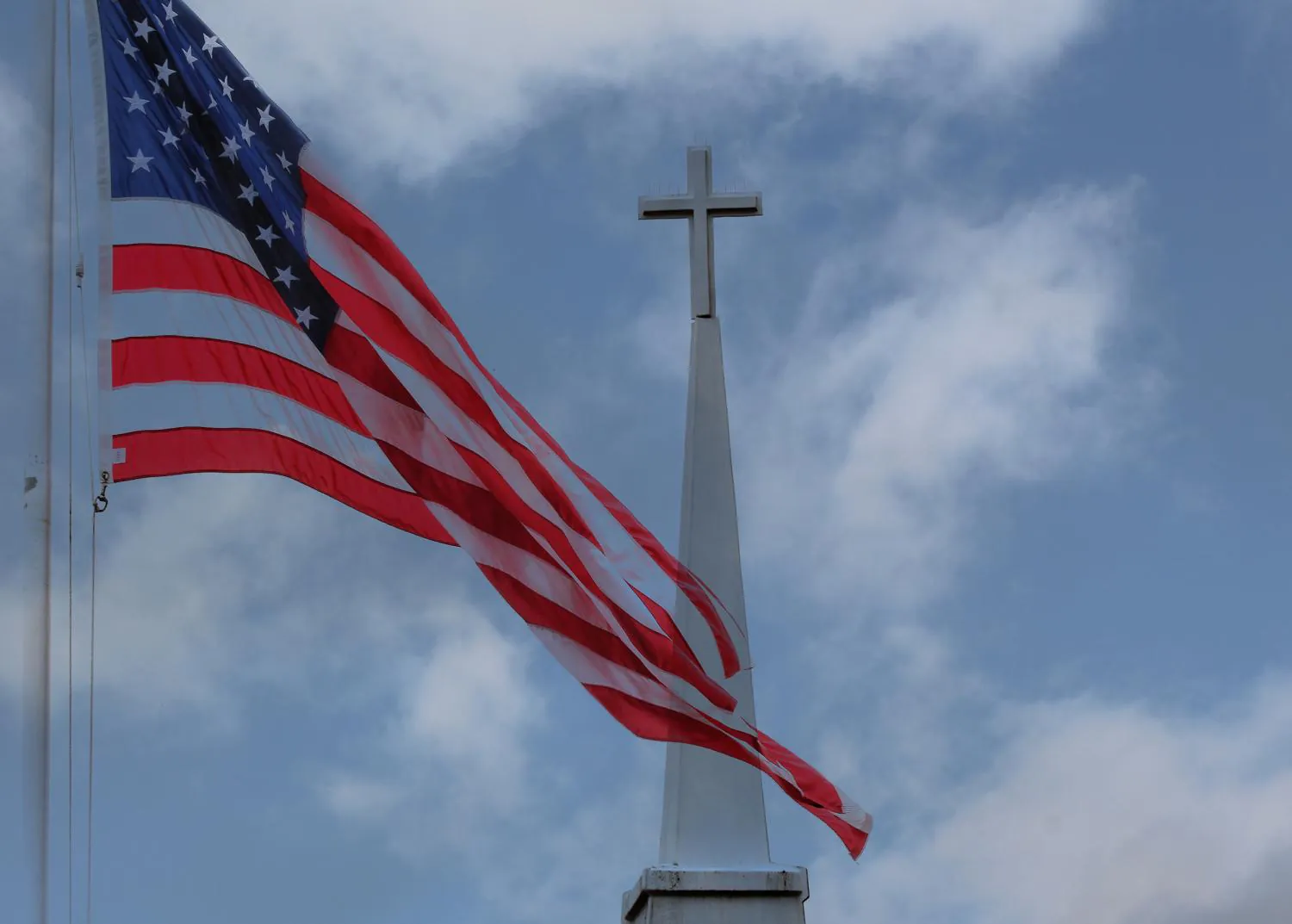
Vaccine hesitancy isn't just about misinformation — for many Americans, it's a deeply held religious and cultural identity. A new book by historian Kira Ganga Kieffer argues that understanding vaccine skepticism as genuine religious expression, rather than ignorance, is key to addressing it. From bodily purity beliefs to evangelical political identity, the roots run deeper than science.
A new book, Unvaccinated Under God: Religion and Vaccine Hesitancy in Modern America, by religious studies historian Kira Ganga Kieffer, PhD, challenges the common assumption that vaccine hesitancy is simply a product of misinformation. Kieffer argues that for many Americans, rejecting vaccines is a form of genuine religious expression — rooted in beliefs about bodily purity, meaning-making after trauma, and moral identity. She traces this movement across 50 years, from the DPT vaccine safety movement of the 1980s to the COVID-19 era.
The book highlights how vaccine skepticism has evolved differently across communities. For some parents, especially white middle-class women in the 1990s, it was tied to natural health culture and the sacralization of children. For white evangelical Christians in the 2010s, it became less about safety and more about religious liberty and political identity — particularly as states began eliminating religious vaccine exemptions.
Key Takeaways:
Why it matters: With school vaccine exemptions climbing and federal legislation potentially expanding religious opt-outs, understanding the cultural and spiritual dimensions of vaccine hesitancy is critical for public health communicators and policymakers trying to rebuild trust.