Curie Brief
Turn on cookies to sign in
Signing in saves your progress to your Curie account. We can only do that with cookies on — turn them on to continue.
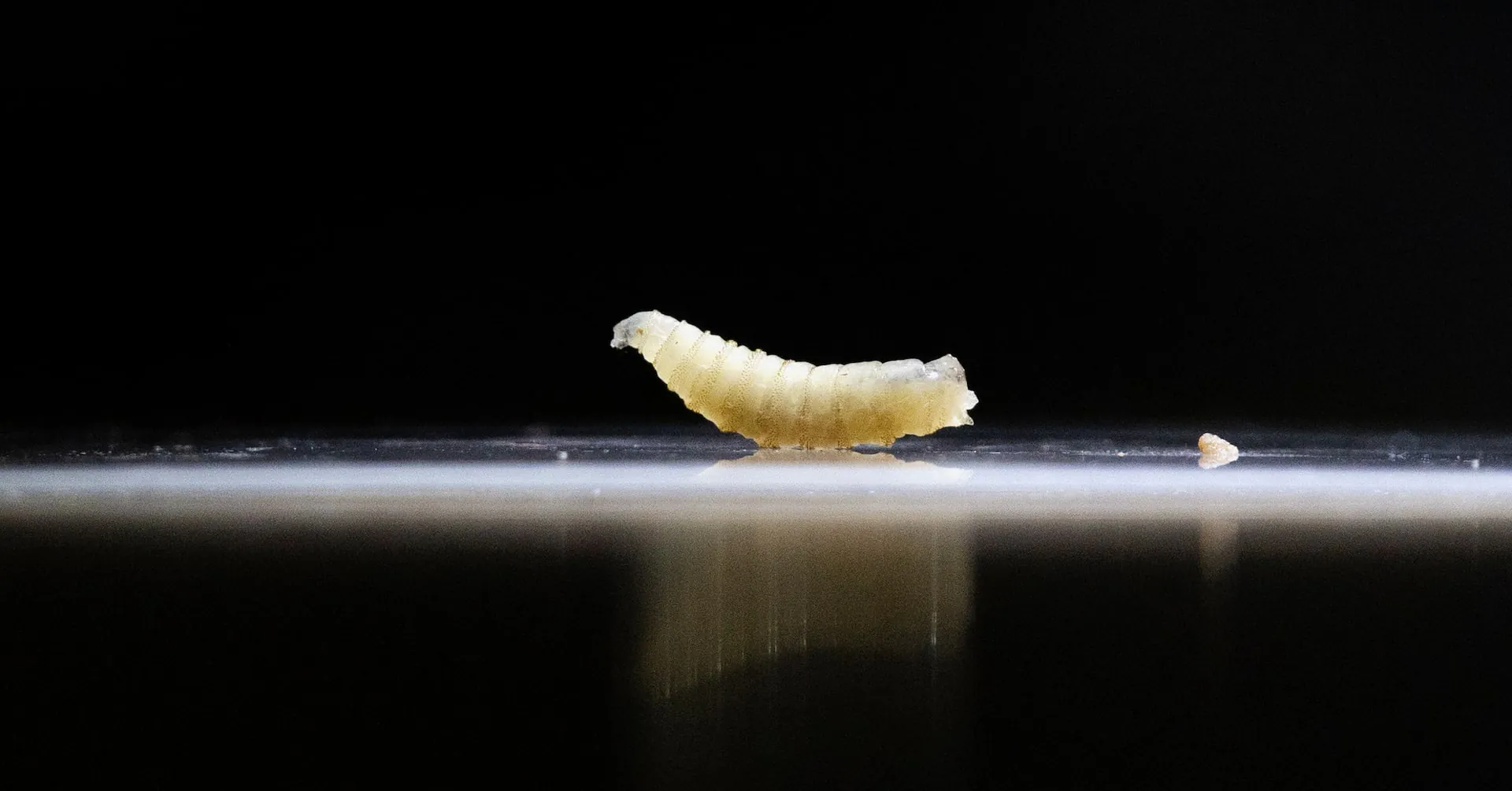
A flesh-eating parasite is making itself at home in the U.S. The New World screwworm has now been confirmed in horses in both New Mexico and Texas, just as the U.S. was preparing to reopen a key border port to Mexican livestock. With three active cases and beef prices already at record highs, the outbreak is putting serious pressure on trade policy and the cattle industry.
The New World screwworm — a flesh-eating parasitic fly — has been confirmed in a horse in Grant County, New Mexico, marking the state's second case since the pest crossed into the U.S. from Mexico in June 2026. The timing is particularly fraught: the U.S. was on the verge of reopening a New Mexico border port to livestock trade on September 24, just days after the case was confirmed.
The outbreak has been escalating since early June, when the first U.S. cases in decades were detected in Texas cattle. Since then, cases have spread to horses — a first for this outbreak — raising new concerns about smuggled animals serving as hosts. The U.S. currently has three active cases: horses in New Mexico and Texas, and a dog in Texas. A prior screwworm outbreak killed thousands of animals before the pest was declared eradicated in the 1960s.
By the Numbers
Why it matters: The screwworm's spread to horses and its proximity to border trade routes signals that containment efforts are struggling to keep pace. With beef prices at record highs and the U.S. cattle herd at its smallest in 75 years, even a limited outbreak could have major ripple effects on food prices and agricultural trade policy.