Curie Brief
Turn on cookies to sign in
Signing in saves your progress to your Curie account. We can only do that with cookies on — turn them on to continue.
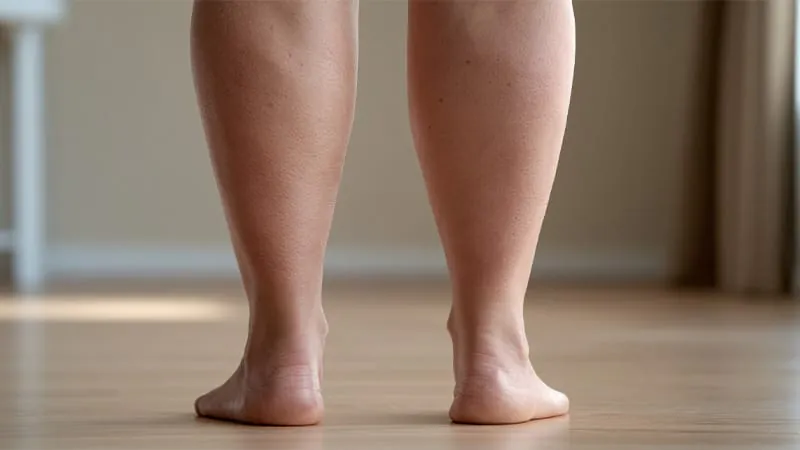
The first large randomized trial on lipedema treatment shows liposuction dramatically outperforms conservative therapy for pain relief — but it comes with trade-offs. In Germany's LIPLEG study, 68% of surgical patients achieved meaningful pain reduction vs. just 8% with compression and lymphatic drainage alone. Nearly half of surgical patients experienced adverse events, and long-term durability beyond 12 months remains unknown.
The LIPLEG study, published in The Lancet, is the first large-scale randomized controlled trial to rigorously evaluate liposuction for lipedema — a chronic, painful condition of subcutaneous fat tissue affecting roughly 10–11% of adult women. Conducted across 11 centers in Germany, the trial randomized 410 women with stage I–III lipedema after a 7-month run-in of conservative therapy. Results at 12 months were striking: 68% of patients in the liposuction group achieved a clinically meaningful pain reduction (≥2 points on a 0–10 scale) versus just 8% in the conservative-therapy-only group.
Beyond pain, liposuction also delivered significant improvements in physical and mental quality of life (SF-36), depressive symptoms, and bruising tendency. Experts at ICO 2026 reinforced that surgery is best viewed as part of a multidisciplinary approach — not a standalone cure — and that conservative treatment should precede any surgical intervention for at least 6 months.
By the Numbers
Why it matters: These findings have already shaped policy — Germany expanded statutory health insurance coverage for lipedema liposuction to all three disease stages in 2026. However, access gaps persist due to strict quality-assurance requirements and poor reimbursement structures. Long-term data from the LIPLEG study (out to 36 months) will be critical to understanding durability of benefit and recurrence risk.