Curie Brief
Turn on cookies to sign in
Signing in saves your progress to your Curie account. We can only do that with cookies on — turn them on to continue.
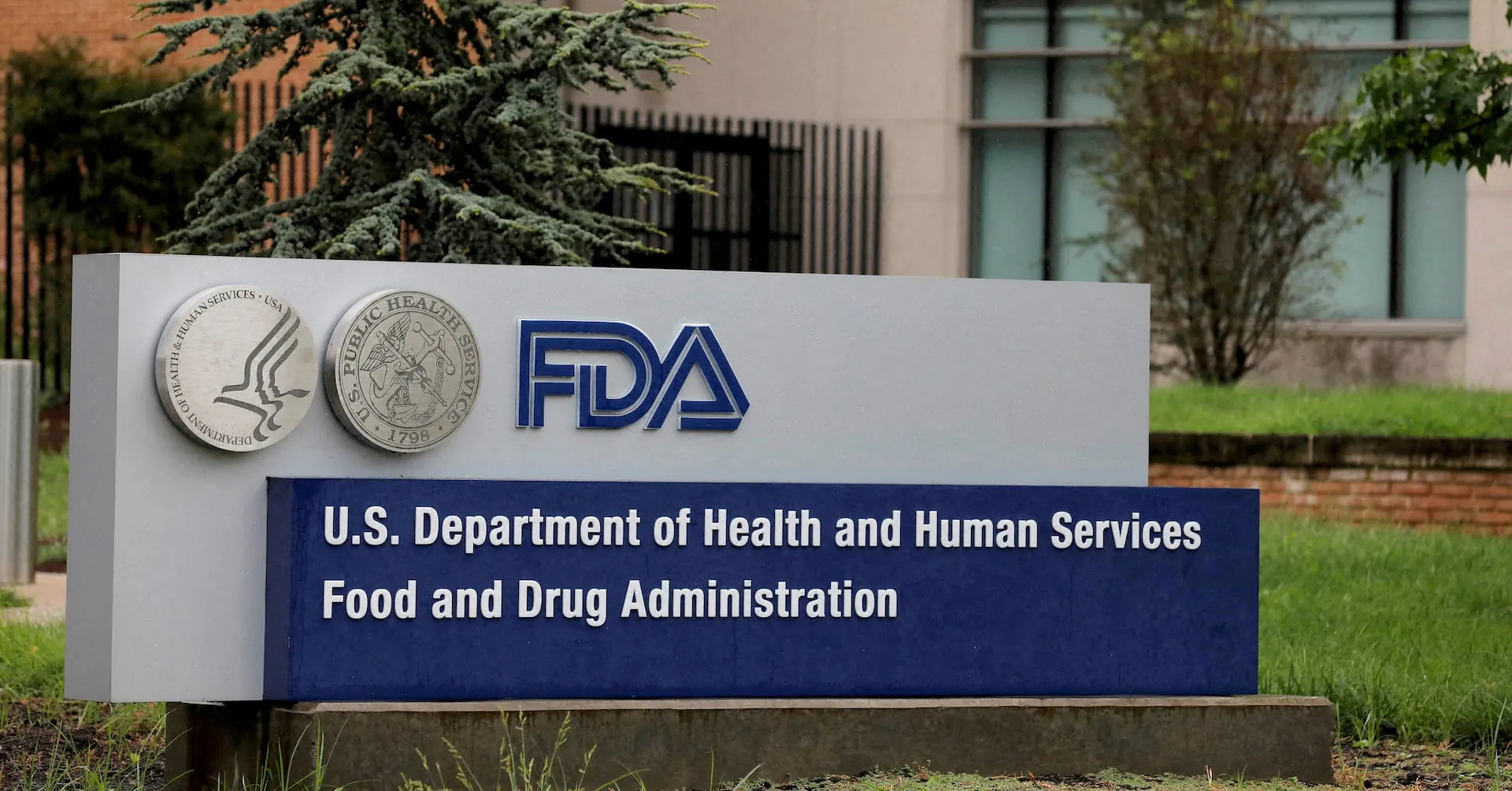
Ultragenyx's Fayuvi, a one-time gene therapy for Sanfilippo syndrome Type A, just received FDA approval — and a $3.95 million list price. The therapy delivers a functional SGSH gene to help children produce a missing enzyme, halting the disease's devastating neurological damage. Clinical trials showed treated kids maintained or improved cognitive function compared to untreated patients.
Ultragenyx Pharmaceutical has priced its newly FDA-approved gene therapy Fayuvi at $3.95 million, making it one of the most expensive drugs in the world. The one-time intravenous treatment targets Sanfilippo syndrome Type A — a rare, inherited, and fatal childhood disease that causes progressive brain and nervous system damage due to a deficiency of the enzyme sulfamidase. Without treatment, children gradually lose cognitive, speech, and motor skills, often spending years bedridden.
Fayuvi works by delivering a functional copy of the SGSH gene into cells, enabling the body to produce sulfamidase and clear the toxic buildup of heparan sulfate. In clinical trials, treated children maintained or improved cognitive function compared to untreated patients — a meaningful outcome in a disease with no prior disease-modifying options. Ultragenyx expects the therapy to be available at specialized U.S. treatment centers within 30 to 60 days.
By the Numbers:
Why it matters: Sanfilippo syndrome Type A has long been a death sentence for children, with no approved treatments to slow its progression. Fayuvi's approval offers genuine hope for families — but its steep price tag reignites critical conversations about the affordability and accessibility of gene therapies for rare diseases.