Curie Brief
Turn on cookies to sign in
Signing in saves your progress to your Curie account. We can only do that with cookies on — turn them on to continue.
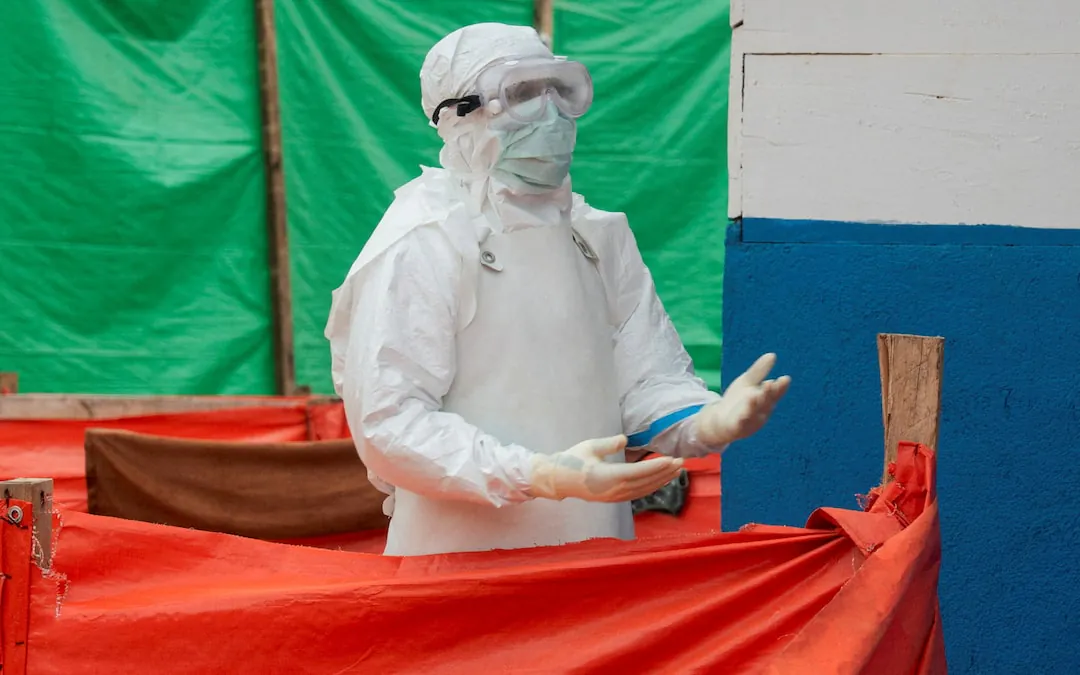
Africa CDC warns Congo's Ebola outbreak remains serious despite some hopeful signs. With over 7,000 confirmed cases and 3,398 deaths, the Bundibugyo strain has now spread to seven provinces — and health officials say transmission is not yet consistently controlled. The outbreak is already the second deadliest in history, behind only the 2014–2016 West Africa epidemic.
Congo's Ebola outbreak — caused by the rare Bundibugyo strain — has grown into a historic crisis, with confirmed cases surpassing 7,000 and deaths topping 3,398 across seven provinces. Despite Congo's Health Minister citing "encouraging signs" and a gradual slowdown in transmission since a mid-August peak, Africa's CDC pushed back, saying the data does not confirm the outbreak has peaked and that transmission remains uncontrolled in several areas.
The outbreak, declared on May 15, has become the second deadliest Ebola epidemic ever recorded globally, surpassed only by the 2014–2016 West Africa outbreak that killed over 11,000. Complicating containment efforts: weak surveillance, conflict in eastern Congo, community resistance, staff shortages, and funding gaps. Africa CDC estimates the true case count could be up to three times higher than official figures. Congo has begun vaccinating frontline health workers with Merck's Ervebo vaccine — licensed for a different Ebola strain — while Bundibugyo-specific vaccines remain in development.
By the Numbers:
Why it matters: With no approved vaccine or treatment for the Bundibugyo strain, and containment efforts still falling short, this outbreak poses a serious and growing global health threat — particularly as cases have already crossed into new provinces and briefly spread to neighboring Uganda.