Curie Brief
Turn on cookies to sign in
Signing in saves your progress to your Curie account. We can only do that with cookies on — turn them on to continue.
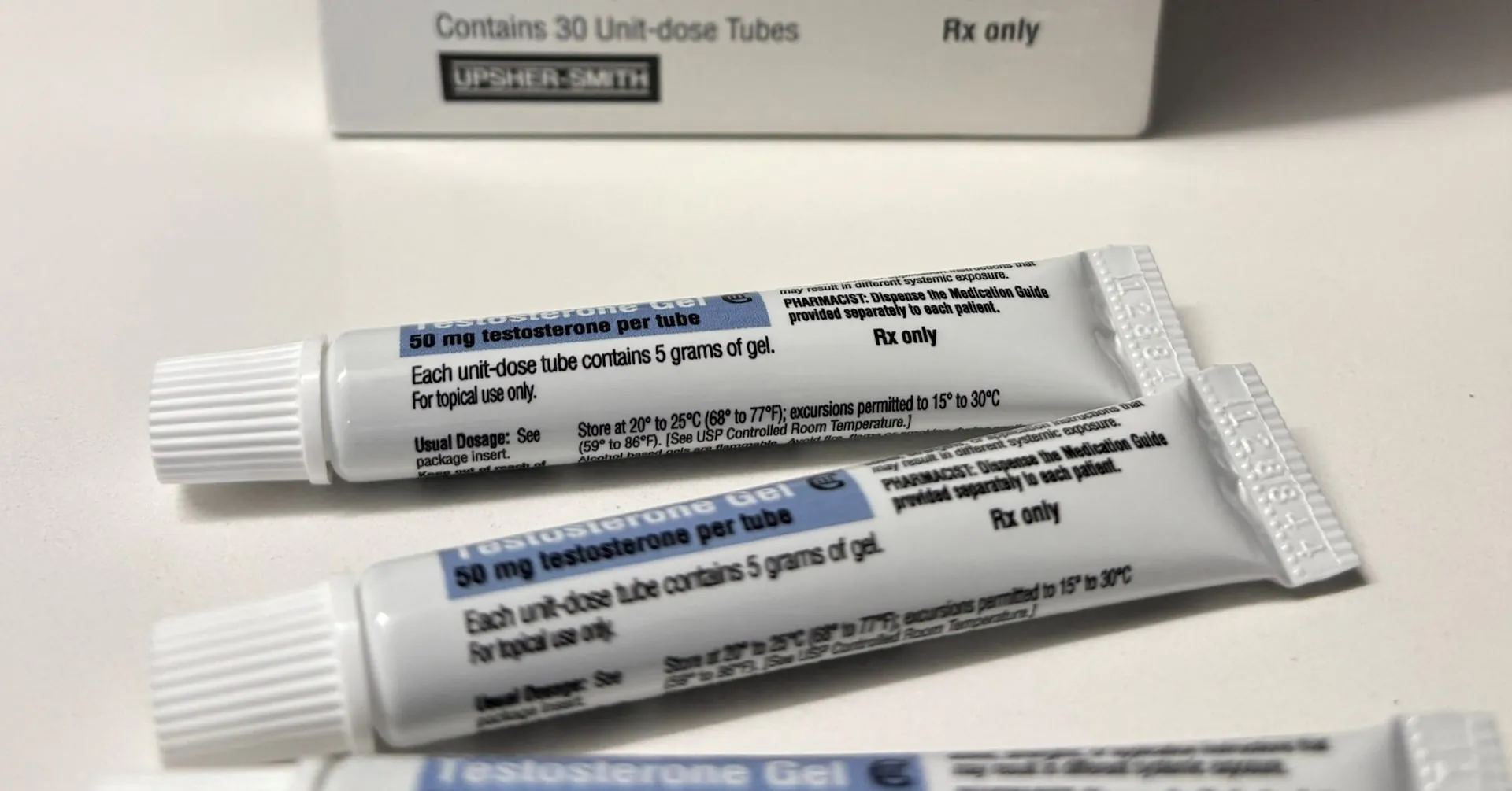
The FDA is holding a public review of testosterone use in menopausal women — a therapy that has nearly tripled in prescription rates since 2020 but still lacks any approved female-specific product. Evidence supports its use mainly for low sexual desire (HSDD), while claims about muscle, mood, and cognition remain unproven. Women are also facing pharmacy denials and insurance gaps as off-label use surges.
The FDA convened a public workshop to review the science behind testosterone use in menopausal women — covering benefits, risks, dosing, and patient perspectives. Despite years of off-label use, no testosterone product has ever been approved for women in the U.S., leaving clinicians to rely on divided doses of male-formulated products like AndroGel or costly compounded alternatives. The UK, Australia, New Zealand, and South Africa have already approved female-specific formulations.
The evidence is clearest for hypoactive sexual desire disorder (HSDD), but social media has fueled broader claims about energy, muscle mass, bone density, and cognition — none of which are backed by current data, according to experts at Mayo Clinic and Stanford. Long-term cardiovascular and breast cancer risks also remain unresolved, and side effects like acne, hirsutism, and potentially irreversible voice changes are real concerns.
Meanwhile, prescription rates have surged — but so have pharmacy denials and insurance rejections, leaving many women navigating a frustrating patchwork system.
By the Numbers:
Why it matters: The FDA's review could be a turning point — potentially paving the way for an approved, standardized testosterone product for women, which would simplify dosing, improve insurance coverage, and give clinicians clearer safety guidance.