Curie Brief
Turn on cookies to sign in
Signing in saves your progress to your Curie account. We can only do that with cookies on — turn them on to continue.
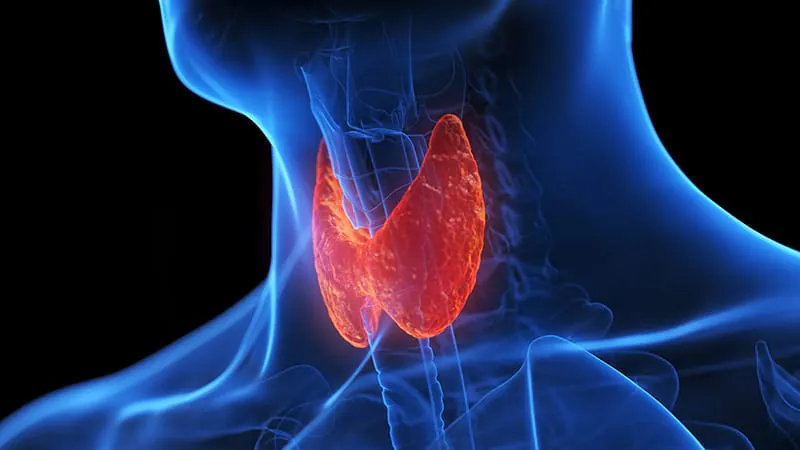
Women juggling thyroid autoimmunity alongside other autoimmune disorders face a dramatically elevated risk of early fertility loss. A study of nearly 7,700 postmenopausal women found that those with thyroid-related polyautoimmunity had a nearly 6% rate of premature ovarian insufficiency — five times higher than women without autoimmune disorders. Experts say early ovarian reserve screening could be a game-changer for family planning in this group.
Women with autoimmune thyroid disease plus at least one other autoimmune condition — known as thyroid-related polyautoimmunity — face a significantly higher risk of premature ovarian insufficiency (POI) and early menopause compared to women with isolated thyroid disease or non-autoimmune endocrine disorders. A retrospective study of 7,690 postmenopausal women published in Frontiers in Endocrinology highlights just how steep that risk gap can be.
The findings also revealed a notably higher rate of first-trimester miscarriage in the polyautoimmunity group, and a family history of autoimmune disease emerged as the strongest independent risk factor for POI in these women.
By the Numbers:
Why it matters: For clinicians, these findings underscore the importance of proactively assessing ovarian reserve in young women with thyroid-related polyautoimmunity — especially those with a family history of autoimmune disease — so fertility preservation options can be explored before it's too late.