Curie Brief
Turn on cookies to sign in
Signing in saves your progress to your Curie account. We can only do that with cookies on — turn them on to continue.
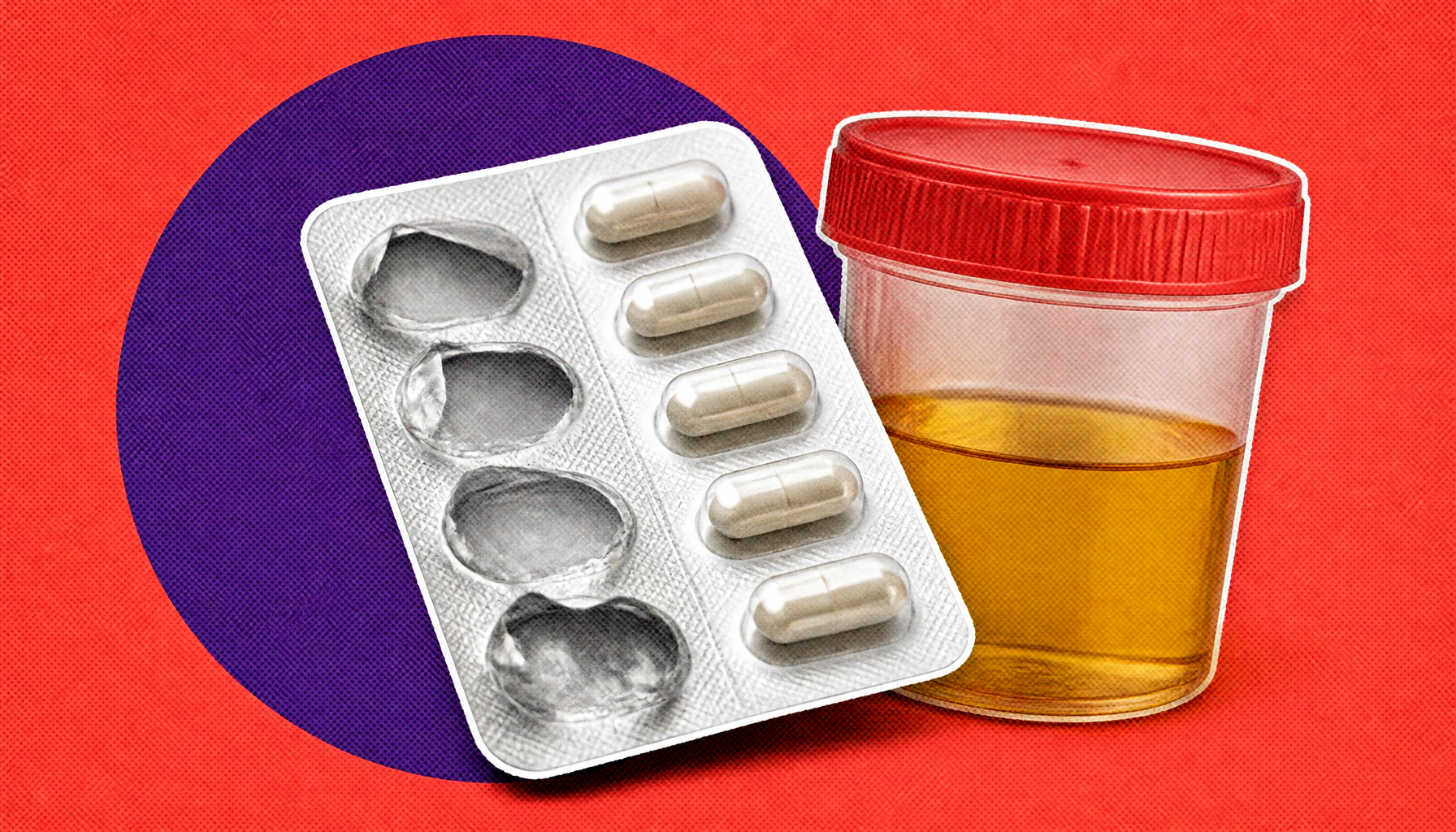
Two new oral antibiotics — sulopenem and tebipenem — have earned FDA approval for treating UTIs, offering a potential lifeline against multidrug-resistant infections. Both drugs took winding paths to approval, each initially rejected before supplemental trials sealed the deal. Experts say they're promising but should be used selectively to guard against rising carbapenem resistance.
After bumpy roads to approval, two new oral "carbapenems" — sulopenem (Orlynvah) and tebipenem (Utebzi) — are now FDA-approved for treating urinary tract infections (UTIs), marking a meaningful step forward in combating multidrug-resistant (MDR) bacteria. Both drugs work similarly to IV carbapenems, targeting tough Enterobacterales like ESBL-producing organisms, but are formulated as oral prodrugs for better bioavailability.
Neither drug had a smooth path to approval. Sulopenem was initially rejected after failing non-inferiority benchmarks in multiple trials, but a follow-up study (REASSURE) comparing it to amoxicillin-clavulanate finally won the FDA over — earning it a narrow approval for uncomplicated UTIs when other oral options are unavailable. Tebipenem faced similar hurdles before the PIVOT-PO trial demonstrated non-inferiority to IV imipenem-cilastatin, securing its June 2026 approval for complicated UTIs.
Key Takeaways:
Why it matters: With antibiotic resistance on the rise, oral carbapenem options fill a critical gap for patients with MDR UTIs who previously had few non-IV alternatives. But experts caution that overuse could erode this last line of defense — making stewardship essential from day one.