Curie Brief
Turn on cookies to sign in
Signing in saves your progress to your Curie account. We can only do that with cookies on — turn them on to continue.
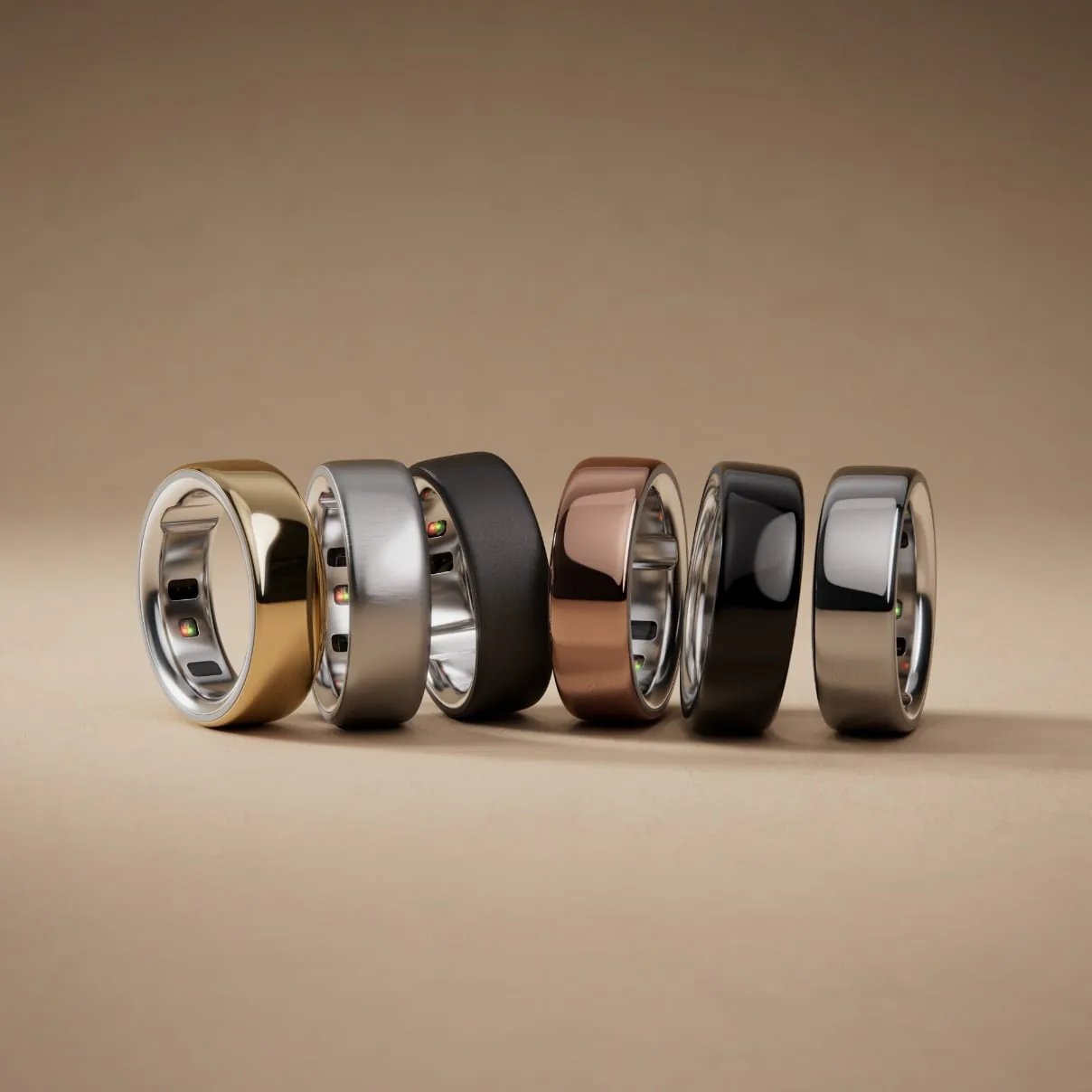
Smart ring maker Oura and AI-primary care company Counsel Health are joining CMS' 10-year ACCESS Model to deliver wearable-powered chronic care to Medicare patients starting in early 2027. Eligible beneficiaries with conditions like hypertension, obesity, and prediabetes will get no-cost care management through continuous biometric monitoring paired with physician-led AI support. It's a significant bet that wellness tech and clinical care can merge at scale.
Wearables go federal: Oura and Counsel Health enter CMS' chronic care program
Smart ring maker Oura and AI-native primary care company Counsel Health are joining CMS' Advancing Chronic Care with Effective Scalable Solutions (ACCESS) Model — a 10-year federal payment program designed to reimburse digital health companies based on patient outcomes rather than services delivered. Starting in early 2027, eligible Medicare beneficiaries with conditions like hypertension, obesity, hyperlipidemia, and prediabetes will receive no-cost chronic care management powered by Oura's continuous biometric data and Counsel's AI-driven physician support.
The partnership builds on an existing integration that embeds clinical care directly into the Oura app. Early results are encouraging: in the first nine weeks, 36,000 Oura members onboarded to Counsel's services, with 70% reporting satisfaction and 60% saying they'd be disappointed if the service disappeared.
By the Numbers
Why it matters: This collaboration is an early real-world test of whether consumer wearables and AI can shift chronic disease management from reactive, episodic clinic visits to continuous, proactive care — at Medicare scale.