Curie Brief
Turn on cookies to sign in
Signing in saves your progress to your Curie account. We can only do that with cookies on — turn them on to continue.
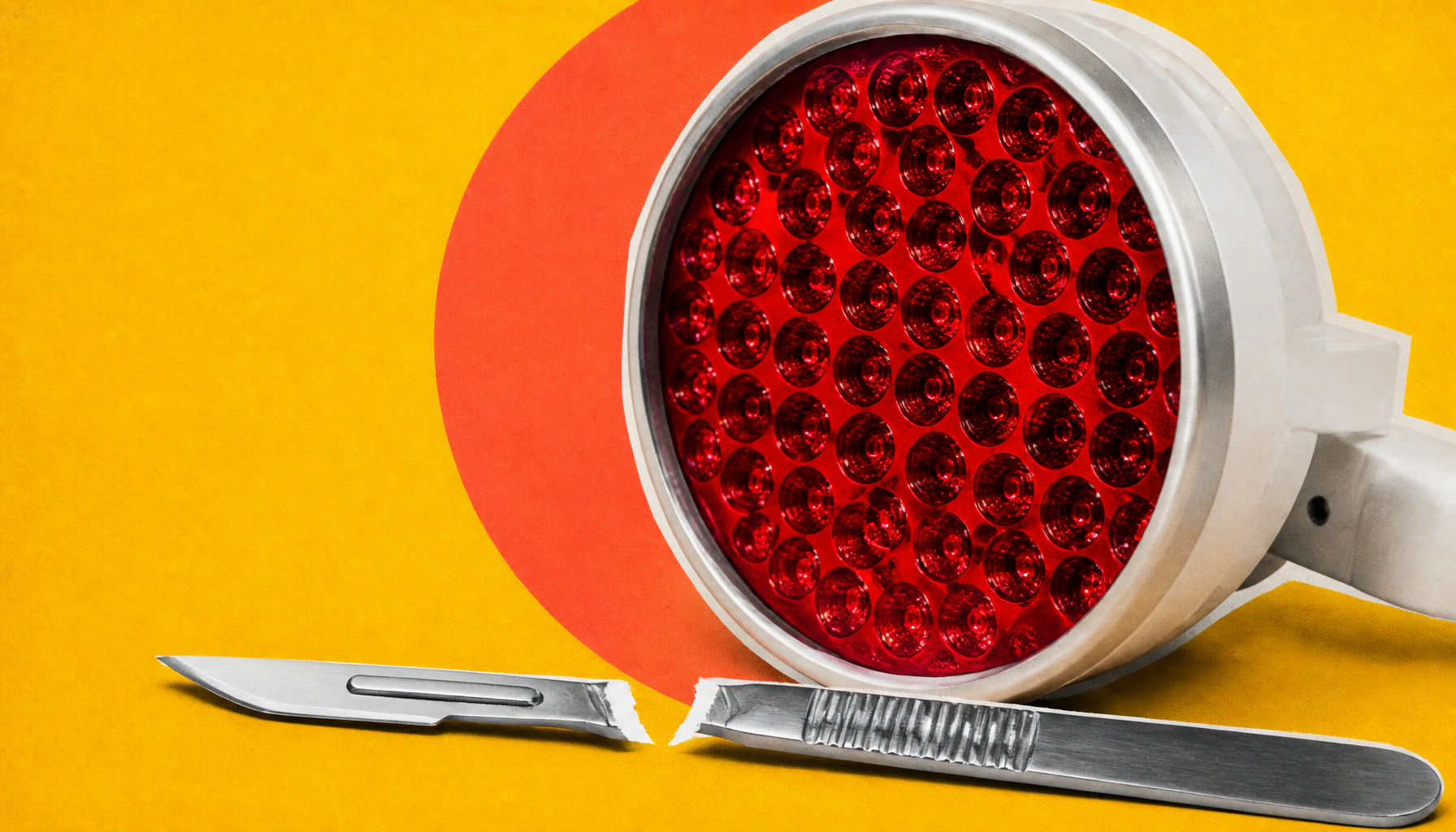
The FDA has approved Ameluz (aminolevulinic acid hydrochloride 10% gel) combined with red light photodynamic therapy (PDT) for treating superficial basal cell carcinoma (sBCC) in adults — making it the first FDA-cleared PDT for any skin cancer. In a phase 3 trial, 66% of patients treated with Ameluz achieved complete response, compared to just 5% in the vehicle group. Dermatologists now have a proven nonsurgical option for one of the most common skin tumors.
The FDA has approved Ameluz (aminolevulinic acid hydrochloride 10% gel) in combination with red light photodynamic therapy (PDT) for the treatment of superficial basal cell carcinoma (sBCC) in adults. This marks a historic first — Ameluz is now the only FDA-approved photodynamic therapy for any form of skin cancer, giving dermatologists a nonsurgical alternative for a very common malignancy.
The approval was backed by a randomized, double-blind, vehicle-controlled phase 3 trial of 187 patients with histologically confirmed sBCC lesions. Patients received at least one PDT cycle (two sessions, 1–2 weeks apart), with outcomes assessed 12 weeks after the final cycle. Application-site reactions were the most commonly reported adverse events.
By the Numbers:
Why it matters: Basal cell carcinoma is the most common skin cancer, and surgical removal isn't always ideal for every patient or lesion location. Ameluz PDT offers clinicians a validated, nonsurgical treatment option with strong efficacy data, potentially expanding access to effective care for patients who are poor surgical candidates.