Curie Brief
Turn on cookies to sign in
Signing in saves your progress to your Curie account. We can only do that with cookies on — turn them on to continue.
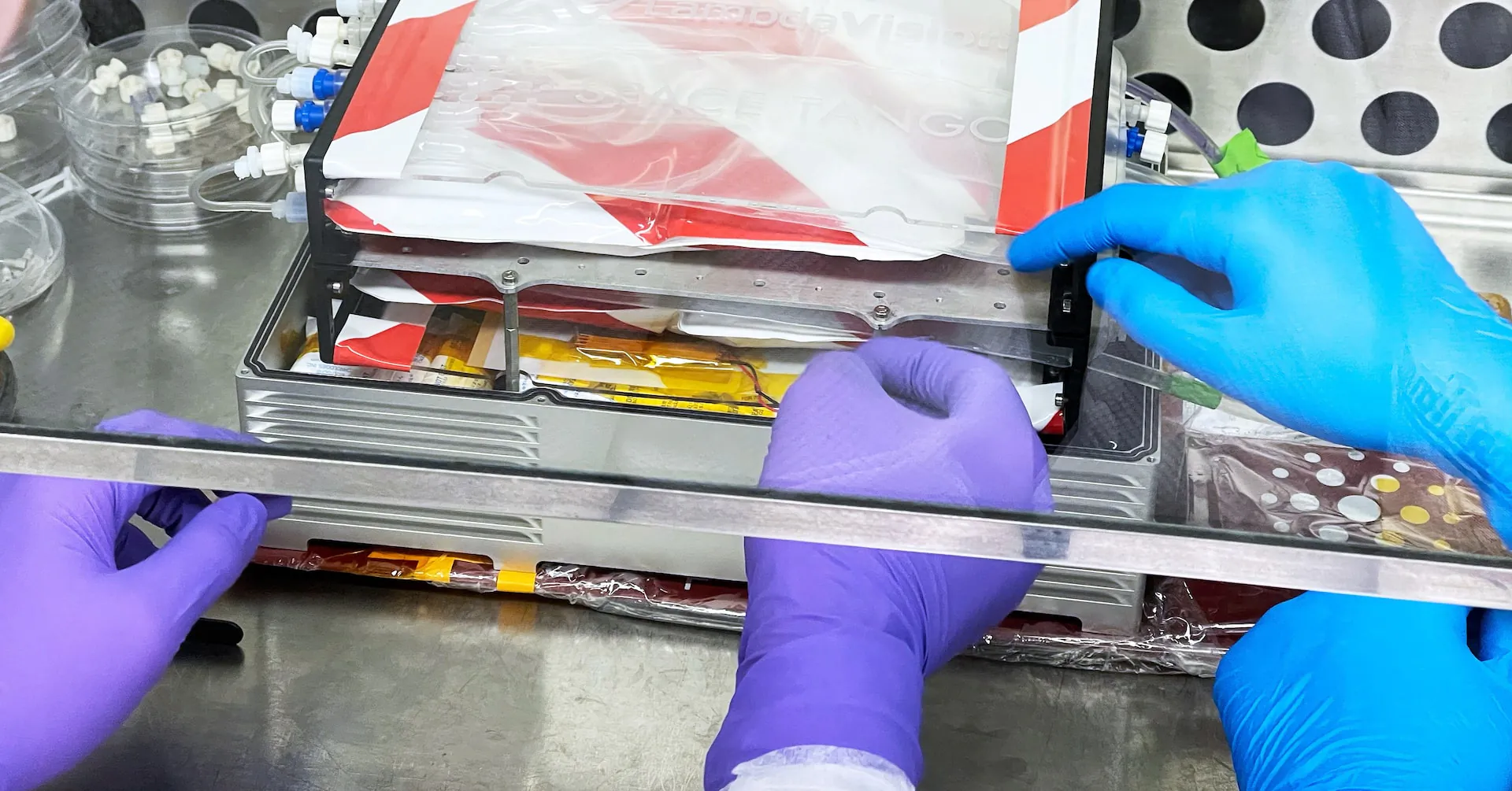
As the International Space Station heads toward retirement, pharma companies are gearing up to take drug research and manufacturing into the next era of commercial space stations. Microgravity offers unique advantages for producing biologics and implants that are hard to replicate on Earth. But regulatory frameworks — especially from the FDA — haven't kept pace with the ambition.
With the International Space Station (ISS) set to retire by the end of the decade, pharmaceutical and biotech companies are pivoting toward the next generation of commercial orbital platforms to advance drug research and manufacturing in microgravity. Companies like LambdaVision, Auxilium Biotechnologies, Merck, and Bristol Myers Squibb have already been leveraging ISS conditions — where the absence of gravity enables unique cellular and molecular behaviors — to develop everything from retinal implants to cancer therapies.
The shift to commercial stations (think Starlab, Vast, and Axiom Space) promises more scalable, cost-effective, and flexible access to microgravity environments. These platforms are being designed with dedicated manufacturing areas, automation, and more predictable launch-and-return schedules — addressing key bottlenecks that have slowed ISS-based research for years.
Quick Facts
Why it matters: Space-based pharmaceutical manufacturing could unlock therapies that are impossible or impractical to produce on Earth. But without clear regulatory frameworks — particularly from the FDA — commercialization could stall just as the infrastructure is finally catching up.