Curie Brief
Turn on cookies to sign in
Signing in saves your progress to your Curie account. We can only do that with cookies on — turn them on to continue.
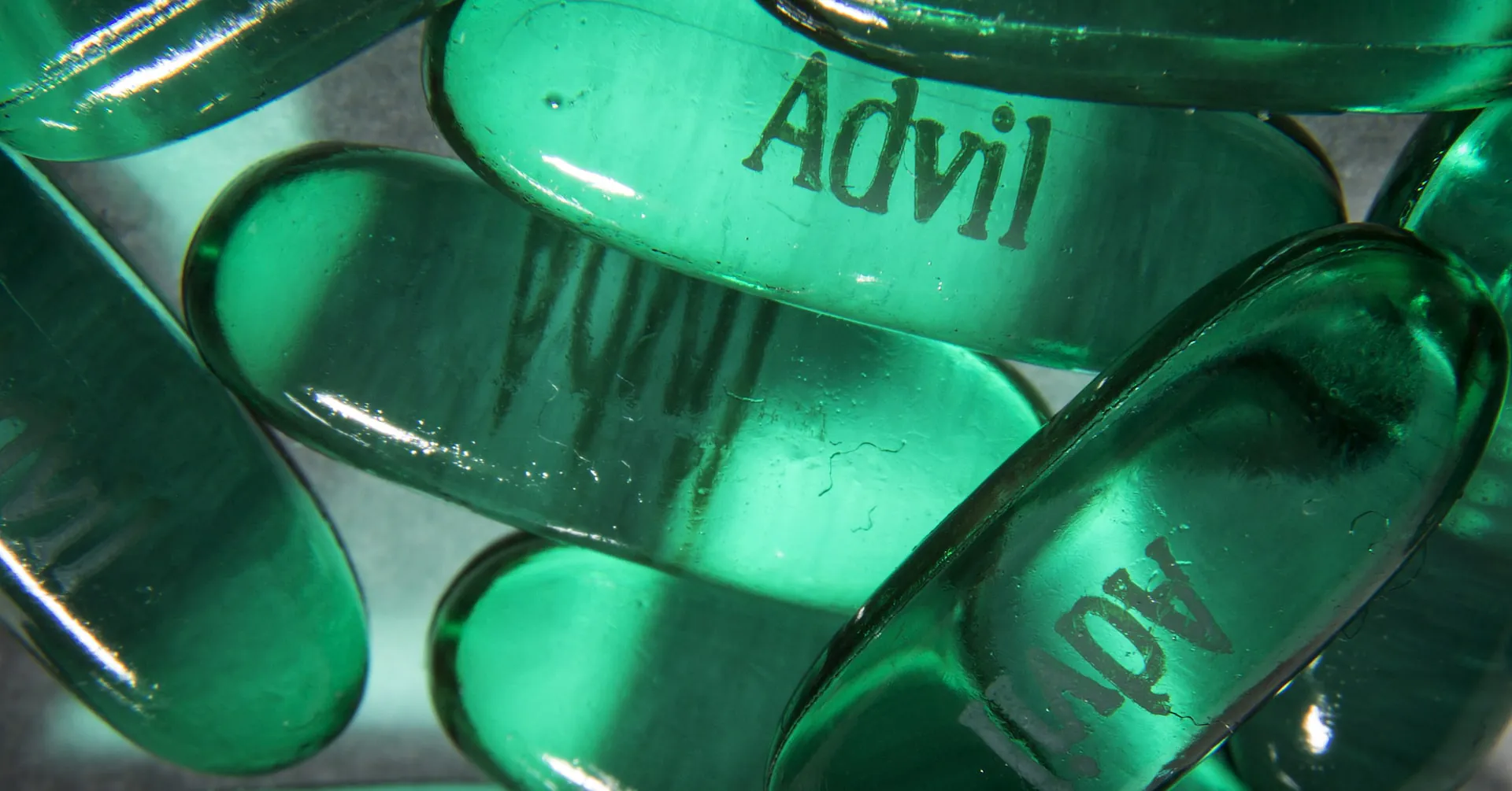
With roughly 11% of Americans now on GLP-1 weight-loss drugs, consumer health giant Haleon is turning their side effects into a sales strategy. The maker of Advil and TUMS has partnered with CVS to place its products on dedicated GLP-1 shelves — a move already delivering a 24% average sales lift per store. Talks with Walmart and Target are also underway.
With GLP-1 weight-loss drugs like Wegovy and Zepbound surging in popularity, consumer health company Haleon is finding a business opportunity in their downsides. The maker of Advil, TUMS, and Biotène has rolled out a retail strategy in the U.S. that places its products on dedicated GLP-1 shelves — targeting the nausea, constipation, diarrhea, and stomach cramps that commonly accompany these medications.
Haleon has partnered with CVS Pharmacy to implement "dual placement" — stocking its products both in traditional aisles and in curated GLP-1 destination sections. The company says it holds the majority of GLP-1 shelf space at CVS, and is now in conversations with Walmart and Target about expanding the approach.
By the Numbers:
Why it matters: As GLP-1 adoption continues to climb, the ripple effects are reshaping not just clinical care but also the consumer health market. For HCPs, this trend underscores the real-world burden of GLP-1 side effects — and signals that patients are increasingly seeking OTC relief on their own.