Curie Brief
Turn on cookies to sign in
Signing in saves your progress to your Curie account. We can only do that with cookies on — turn them on to continue.
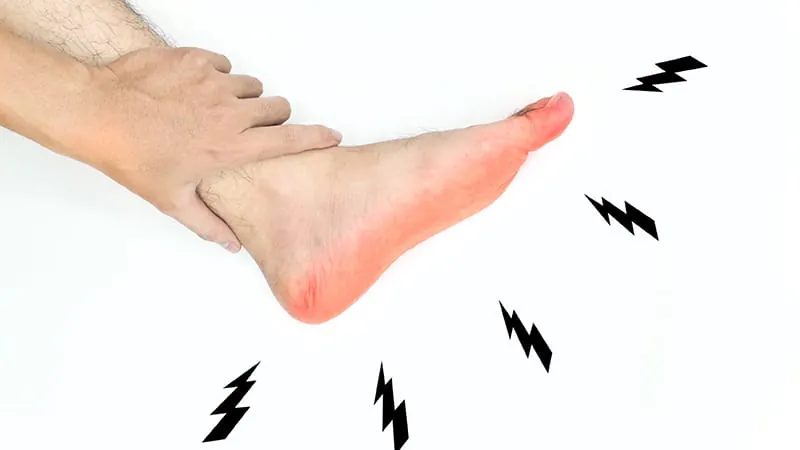
Popular GLP-1 medications may come with an unexpected side effect: dysesthesia, or abnormal skin sensations like burning and tingling. A new meta-analysis found that GLP-1 users had more than three times the odds of developing this condition compared to placebo. Notably, every 1% drop in body weight was tied to a 34% jump in risk — suggesting the weight loss itself may be driving the problem.
GLP-1 receptor agonists — the blockbuster class of drugs behind medications like semaglutide and tirzepatide — may be linked to a lesser-known side effect: dysesthesia, a condition marked by abnormal skin sensations such as burning, tingling, or heightened sensitivity. A new systematic review and meta-analysis pooling data from 15 placebo-controlled trials found that GLP-1 users had more than three times the odds of experiencing dysesthesia compared to those on placebo.
The findings also point to a dose-response relationship. High-dose GLP-1 therapy showed the strongest association (over six times the odds), while medium- and low-dose regimens showed no significant link. Intriguingly, the degree of weight loss appeared to play a role — suggesting the side effect may be a downstream consequence of rapid fat loss rather than the drug itself.
By the Numbers:
Why it matters: As GLP-1 prescriptions continue to surge, clinicians need to be aware of emerging adverse effects beyond the well-known GI symptoms. Researchers are calling for dysesthesia to be formally tracked as an adverse event of special interest in future GLP-1 trials.