Curie Brief
Turn on cookies to sign in
Signing in saves your progress to your Curie account. We can only do that with cookies on — turn them on to continue.
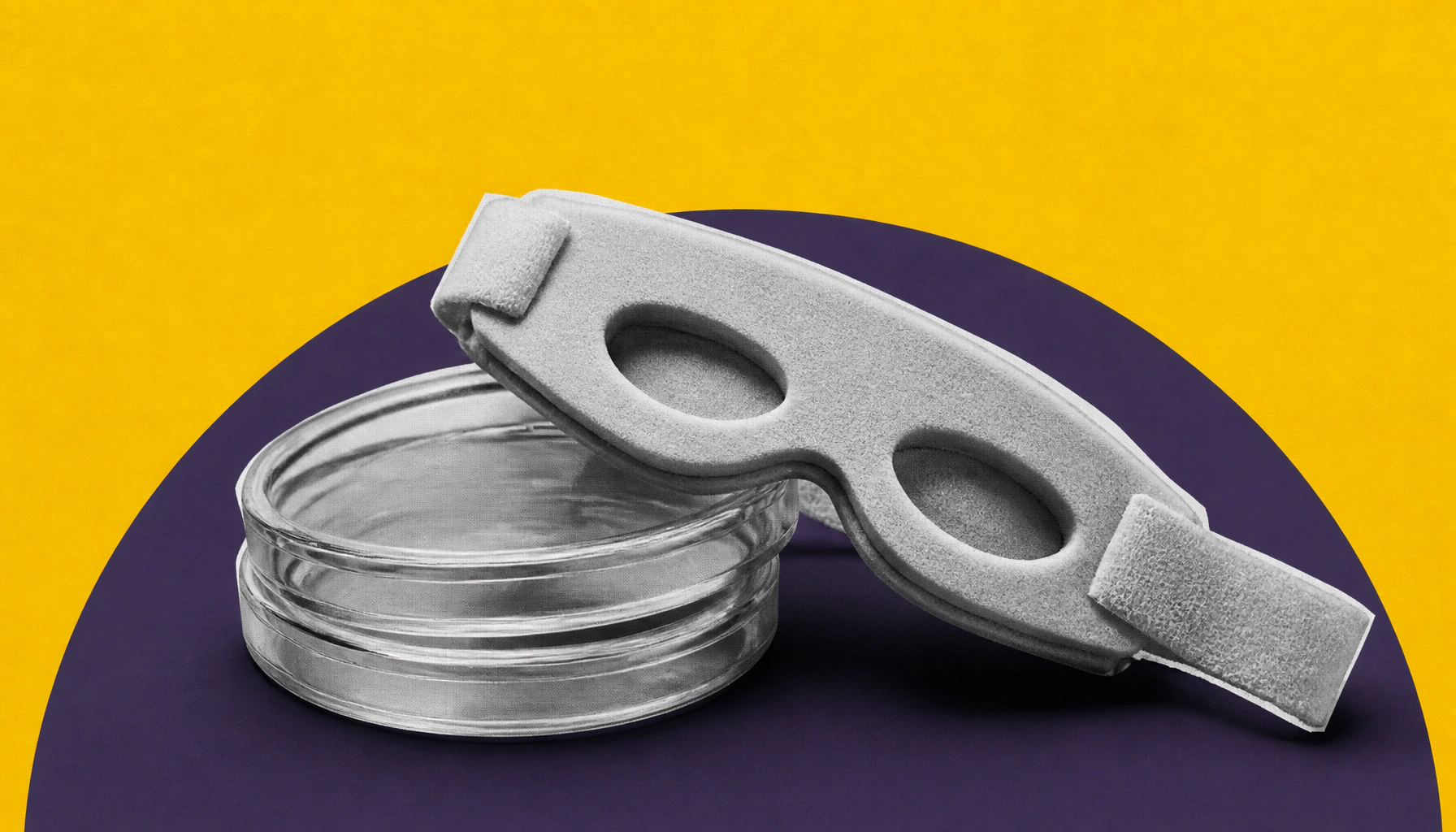
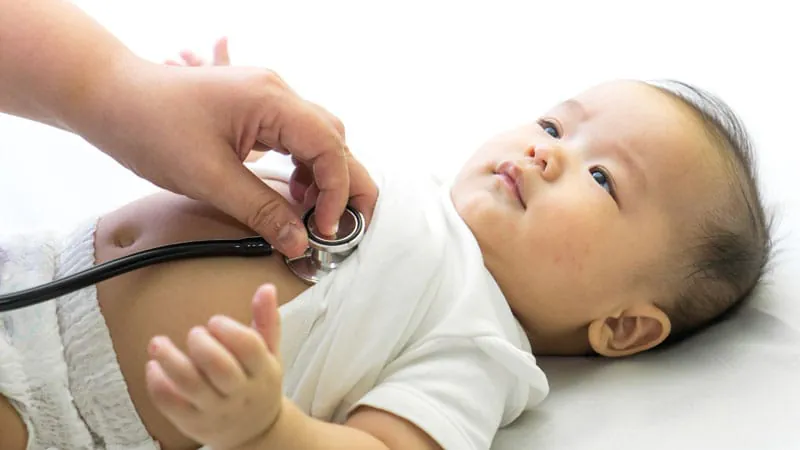
Blue light phototherapy — a go-to treatment for neonatal jaundice — may temporarily disrupt the skin barrier and gut microbiome in newborns, a new study in Pediatric Dermatology finds. No long-term harms like atopic disease or skin cancer have been confirmed, but researchers say the gaps in data call for deeper investigation. The therapy remains essential and lifesaving — for now, no changes to clinical practice are recommended.
Blue light phototherapy is a cornerstone treatment for neonatal hyperbilirubinemia (the main driver of newborn jaundice), working by converting bilirubin in skin capillaries into water-soluble forms that the body can clear — protecting fragile, underdeveloped livers from dangerous bilirubin buildup. But a new review published in Pediatric Dermatology raises some thought-provoking questions about what else that light might be doing.
Researchers found that blue light phototherapy is associated with short-term increases in transepidermal water loss, possible shifts in the gut microbiome, and changes in inflammatory and immune signaling — all during a critical window of neonatal development. Because newborns have high surface-area-to-weight ratios, even small disruptions to the skin barrier could carry downstream consequences for immune education and skin maturation.
Key Takeaways:
Why it matters: Millions of newborns receive blue light phototherapy each year. While it's safe and effective by current evidence, this review is a timely reminder that "familiar and effective" doesn't mean fully understood — especially when treating the most vulnerable patients at their most developmentally sensitive moment.