Curie Brief
Turn on cookies to sign in
Signing in saves your progress to your Curie account. We can only do that with cookies on — turn them on to continue.
Aston University and biotech firm Labskin are teaming up to create more realistic lab-grown human skin by adding immune cells called macrophages. The enhanced models will better mimic real skin's response to inflammation and wound healing, supporting research into chronic wounds and inflammatory skin conditions. The project could also reduce animal testing and de-risk clinical trials for new therapies.
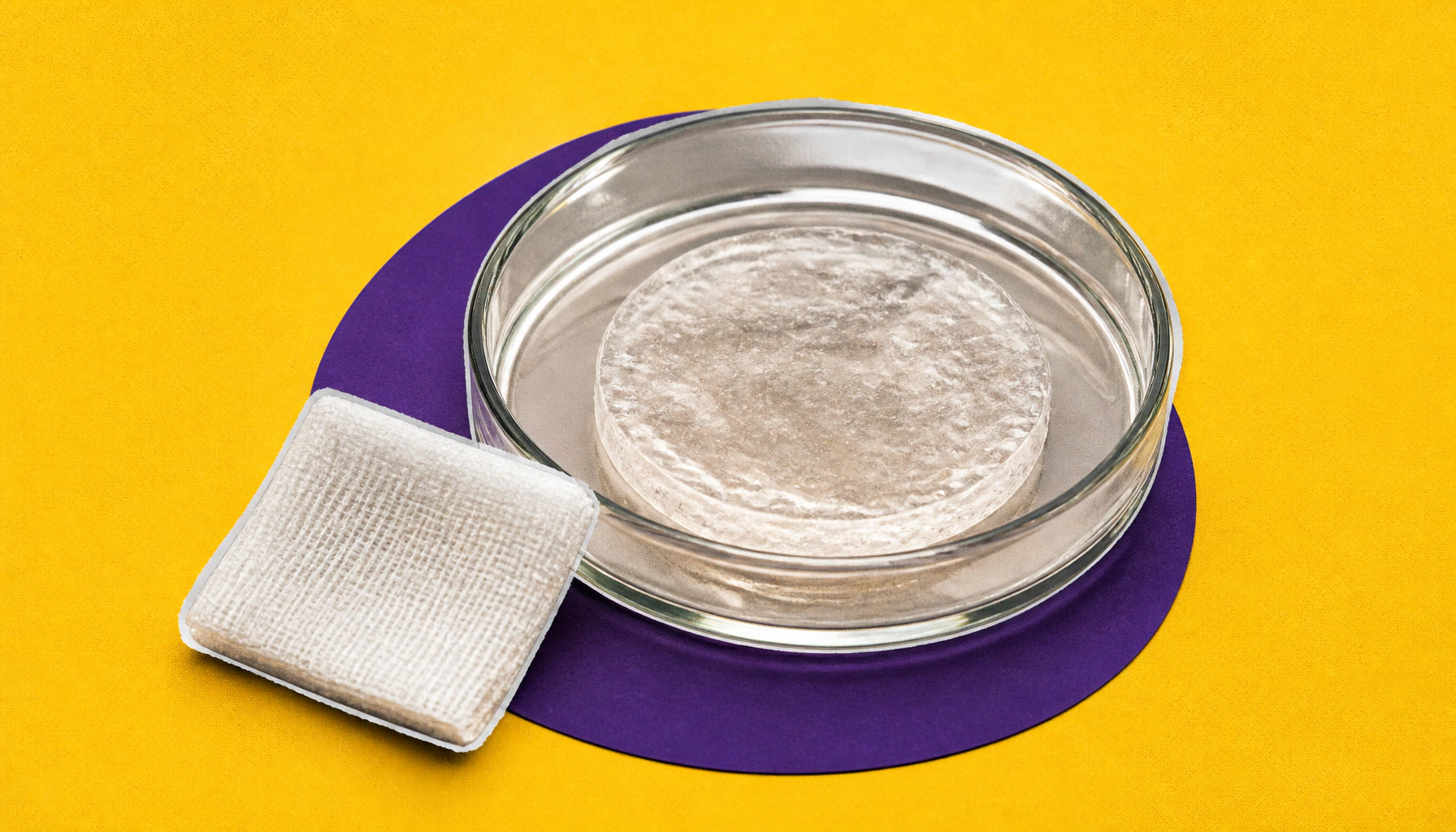
Aston University and Yorkshire-based biotech company Labskin are joining forces to take laboratory-grown human skin to the next level. Under a Knowledge Transfer Partnership (KTP) funded by Innovate UK, researchers will introduce immune cells called macrophages into Labskin's existing skin models — thumbnail-sized, ~1cm-thick sections that already replicate the physical layers of real skin. The missing piece? Immune cells, which are critical for inflammation and wound healing.
The upgraded models are designed to more accurately reflect how real human skin responds to products and treatments, making them far more useful for studying chronic wounds and inflammatory skin disorders. Chronic wounds alone cost the NHS an estimated £3.5–6 billion annually and significantly impact patients' quality of life.
Key Takeaways:
Why it matters: Better lab models mean better science — and potentially faster, safer paths to treatments for millions of people living with chronic wounds and inflammatory skin conditions.