Curie Brief
Turn on cookies to sign in
Signing in saves your progress to your Curie account. We can only do that with cookies on — turn them on to continue.
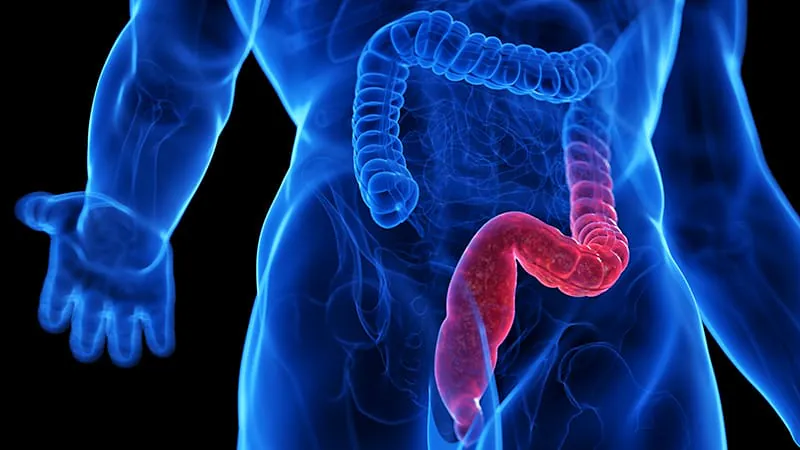
Lowering the CRP threshold could catch more high-risk ulcerative colitis patients. A new study found that hospitalized UC patients who didn't meet traditional severity criteria still faced a similar 1-year colectomy risk as those who did. Dropping the CRP cutoff from >30 mg/L to ≥12 mg/L reclassified 26% of these "lower-risk" patients and flagged 43% of those who ultimately needed surgery.
A decades-old scoring system for ulcerative colitis may be leaving high-risk patients behind — and a simple lab value tweak could fix that. The Truelove and Witts Criteria (TWC), the 70-year-old gold standard for classifying acute severe UC, may be missing a significant subset of hospitalized patients who go on to need surgery. A new retrospective study out of Australia found that patients who didn't meet TWC still faced a comparable 1-year colectomy risk to those who did.
The fix? Lowering the C-reactive protein (CRP) threshold from >30 mg/L to ≥12 mg/L. Researchers analyzed 503 hospital admissions for acute UC between 2015 and 2024, and found that this adjusted cutoff reclassified 26% of "non-severe" patients into the high-risk category — and captured 43% of those who ultimately required colectomy within a year.
Key Takeaways:
Why it matters: This evidence-based modification to a long-standing clinical tool offers an immediately actionable way to better identify UC patients at risk of colectomy — potentially enabling earlier, more aggressive intervention before it's too late.