Curie Brief
Turn on cookies to sign in
Signing in saves your progress to your Curie account. We can only do that with cookies on — turn them on to continue.
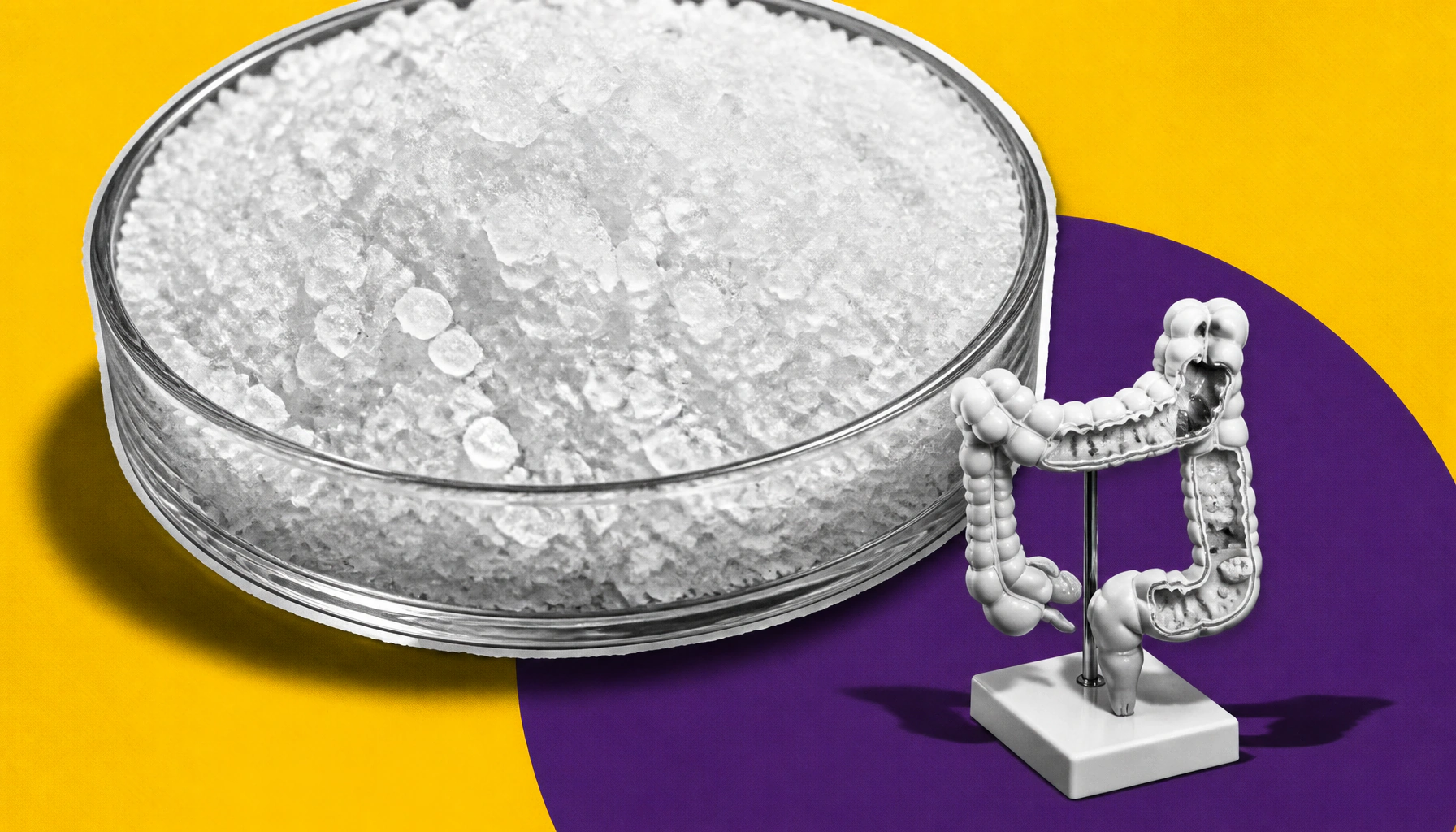
Oxalate — a natural compound in spinach, almonds, and sweet potatoes — may worsen gut inflammation in people with Crohn's disease and ulcerative colitis, according to new UNC research. IBD patients appear to have impaired gut transport of oxalate, leaving more of it behind to drive inflammation. The findings could pave the way for low-oxalate diets or microbiome-based therapies tailored to IBD patients.
Spinach, almonds, and sweet potatoes are nutritional staples — but for people with inflammatory bowel disease (IBD), a naturally occurring compound in these foods called oxalate may be quietly making things worse. A new study from UNC School of Medicine, published in Cellular and Molecular Gastroenterology and Hepatology, found that people with Crohn's disease and ulcerative colitis have significantly lower levels of two key oxalate-transporting proteins (SLC26A2 and SLC26A3) in their intestinal tissue — meaning their guts can't clear oxalate efficiently, leaving more of it to amplify inflammation.
Strikingly, Crohn's patients had higher stool oxalate levels than healthy controls despite eating similar amounts of plant-based foods — suggesting the problem isn't diet alone, but a fundamental difference in how the IBD gut processes oxalate. Animal studies reinforced the link: mice on a high-oxalate diet combined with a colitis-inducing agent were 60% less likely to survive than controls.
Key Takeaways:
Why it matters: This research gives clinicians a new molecular framework for understanding how diet intersects with IBD biology — and opens the door to precision nutrition and microbiome-based interventions for a condition that affects millions worldwide.