Curie Brief
Turn on cookies to sign in
Signing in saves your progress to your Curie account. We can only do that with cookies on — turn them on to continue.
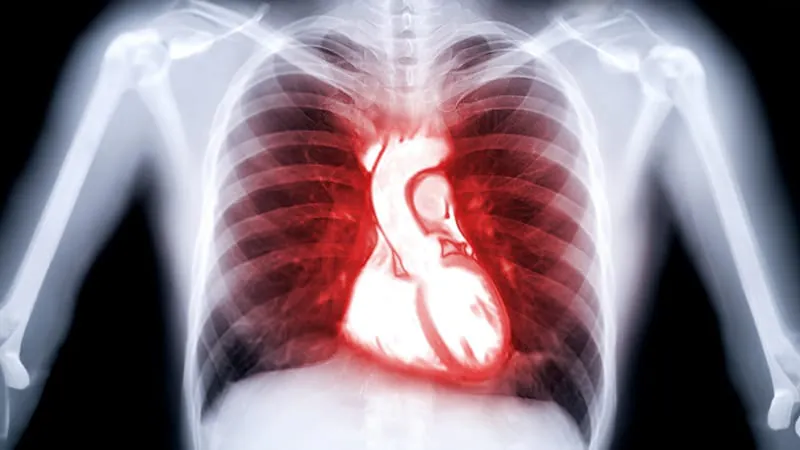
COPD goes way beyond the lungs. At the ERS 2026 Congress, cardiologists and pulmonologists sounded the alarm: cardiovascular disease — not respiratory failure — is the leading killer in mild-to-moderate COPD. New guidance calls for unified heart-lung management, from safer beta-blocker use to cardiac MRI and early vascular screening.
COPD is a heart problem too — and experts say it's time to treat it that way
For decades, COPD has been managed almost entirely as an airway disease. But at the European Respiratory Society (ERS) 2026 International Congress in Barcelona, experts delivered a stark message: cardiovascular disease — not respiratory failure — is the number one killer in patients with mild-to-moderate COPD. Cardiologists and pulmonologists, they argued, must stop working in silos and start treating these patients as a shared responsibility.
New ESC consensus guidance lays out a practical roadmap. Cardioselective beta-blockers are confirmed safe and preferred for managing heart failure and arrhythmias in COPD patients. Elevated troponin during COPD flare-ups doesn't automatically mean a heart attack — but when a true cardiac event occurs, full coronary care must be delivered without compromise. Standard lung CT scans can also be reviewed for early signs of arterial hardening and pulmonary vessel enlargement, and cardiac MRI should step in when echocardiograms are difficult to interpret due to hyperinflated lungs.
Managing pulmonary hypertension in COPD (group 3 PH) remains especially complex. Vasodilators used in primary pulmonary arterial hypertension are not recommended for nonsevere cases — the PERFECT trial of inhaled treprostinil was stopped early due to lack of benefit and higher rates of adverse events. Severe cases require individualized care at specialist centers.
Key Takeaways
Why it matters: Millions of COPD patients are dying from cardiovascular causes that go undetected and undertreated. Integrating heart and lung care isn't just good medicine — it could meaningfully improve survival outcomes at scale.