Curie Brief
Turn on cookies to sign in
Signing in saves your progress to your Curie account. We can only do that with cookies on — turn them on to continue.
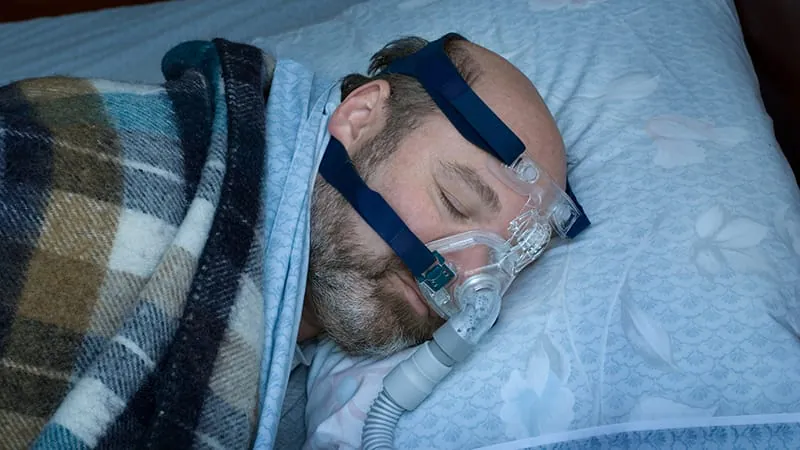
Living in a disadvantaged neighborhood doesn't just affect your wallet — it may be hurting your heart too. A large study of over 72,000 sleep apnea patients found that those in the most deprived areas had worse oxygen levels during sleep and a 22% higher risk of major cardiovascular events compared to those in the least disadvantaged neighborhoods. The findings suggest where you live plays a real role in how dangerous sleep apnea becomes.
A new study out of Cleveland Clinic reveals that neighborhood disadvantage significantly shapes how severe obstructive sleep apnea (OSA) gets — and how deadly it can become. Analyzing data from over 72,000 adults who underwent diagnostic sleep studies between 2005 and 2021, researchers found that patients living in the most economically deprived neighborhoods experienced worse oxygen drops during sleep, independent of how often they stopped breathing at night.
The cardiovascular stakes are real: patients in the most disadvantaged neighborhoods faced a 22% higher risk of major adverse cardiovascular events (MACE) — including heart failure, stroke, atrial fibrillation, and coronary artery disease — compared to those in the least disadvantaged areas.
Why it matters: These findings highlight a critical but often overlooked intersection of social determinants of health and cardiovascular risk. Incorporating neighborhood-level socioeconomic data into cardiovascular risk assessments could help clinicians identify high-risk OSA patients earlier and address persistent health disparities.