Loading Curie Briefs...
Getting the latest healthcare news for you
Getting the latest healthcare news for you

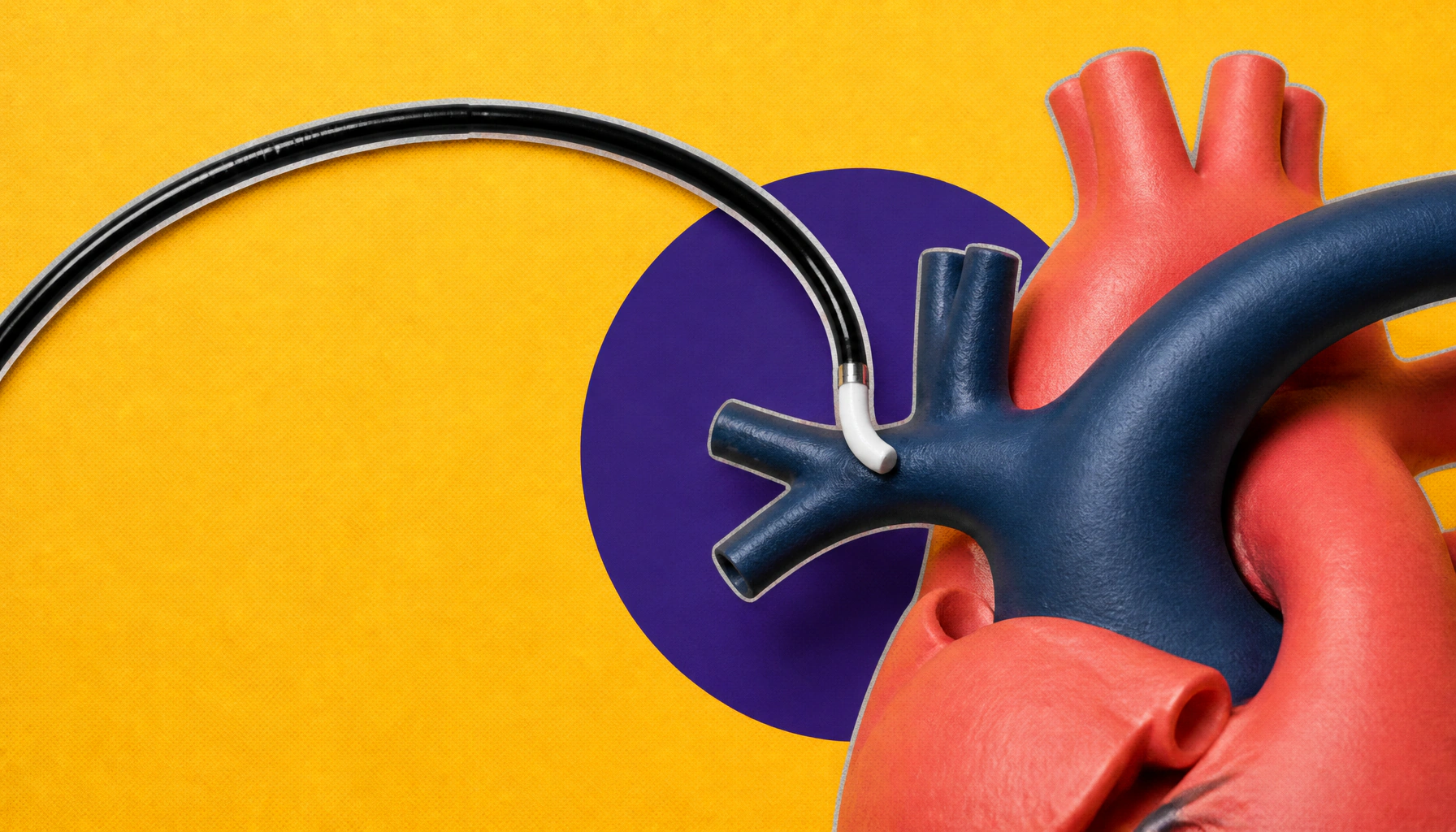
A Chinese randomized trial found that pulmonary artery denervation (PADN) — a procedure that disrupts sympathetic nerves around the pulmonary artery — slashed clinical worsening by roughly half compared to medication alone in heart failure patients with pulmonary hypertension. Presented at the ESC Congress and published in the NEJM, the results are promising but experts caution that the open-label design and lack of a sham control limit definitive conclusions.
A new Chinese randomized trial, PADN-HF-PH, is turning heads in cardiology: adding pulmonary artery denervation (PADN) to standard guideline-directed medical therapy (GDMT) cut clinical worsening nearly in half compared to GDMT alone in patients with left-sided pulmonary hypertension and heart failure. The findings were presented at the European Society of Cardiology Congress in Munich and simultaneously published in the New England Journal of Medicine.
The procedure works by interrupting sympathetic nerves surrounding the pulmonary artery, reducing the overactivation thought to drive pulmonary vascular resistance and right ventricular dysfunction. Patients also saw improvements in 6-minute walk distance, quality-of-life scores, and heart function on echocardiography.
By the Numbers:
Why it matters: Despite decades of advances in heart failure therapy, pulmonary hypertension tied to left heart disease remains a tough-to-treat condition with poor outcomes. PADN offers a novel interventional approach, but experts stress that the open-label design and single-country enrollment limit conclusions — a larger, international, sham-controlled trial (PULSE-LHD) is already underway to provide more definitive answers.