Curie Brief
Turn on cookies to sign in
Signing in saves your progress to your Curie account. We can only do that with cookies on — turn them on to continue.
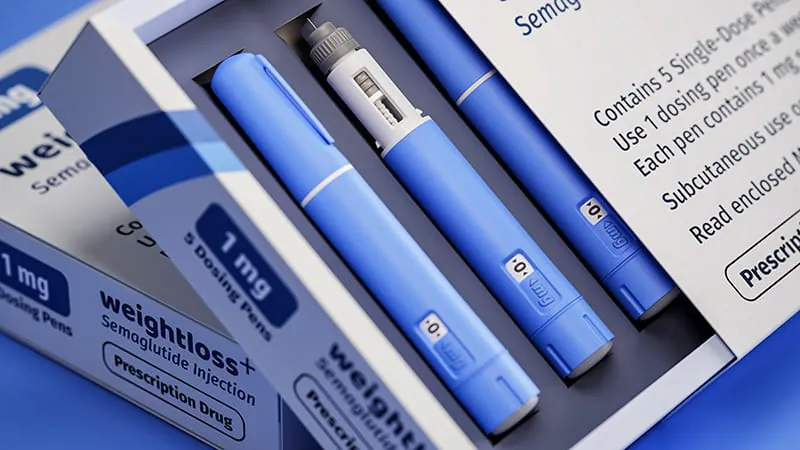
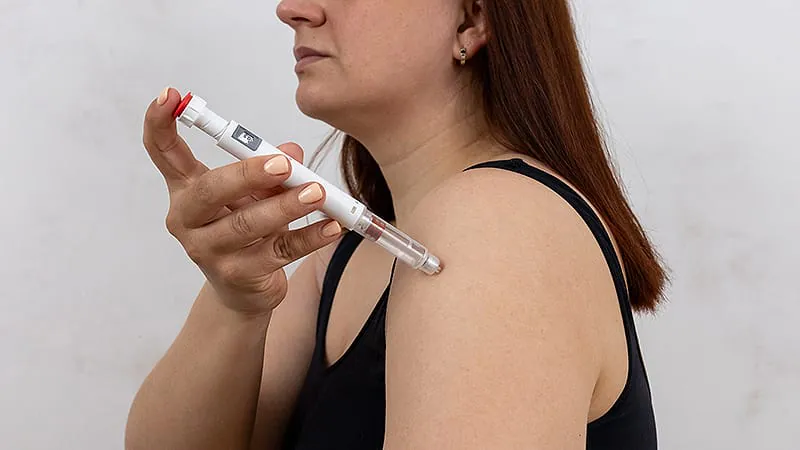
Sticking with semaglutide is harder than it looks. A large Danish study of nearly 158,000 adults found that roughly half stopped taking the obesity drug within 12 months, with younger adults, men, and those with prior GI or psychiatric medication use most likely to quit. Experts say personalized support, realistic expectations, and close follow-up are key to keeping patients on track.
A large Danish registry study of 157,822 adults with obesity found that nearly half discontinued semaglutide within 12 months — and no subgroup was spared. Using a 30-day gap definition, the dropout rate climbed even higher, to 58%. The findings, published in JAMA Network Open, underscore a growing adherence challenge for GLP-1 medications that are increasingly being prescribed across the US and globally.
Younger adults (under 30), men, and patients with prior use of GI or psychiatric medications faced the highest discontinuation risk. Notably, about 1 in 4 patients who stopped did restart within three months, and some switched to liraglutide or tirzepatide. Patients with prior bariatric surgery were among the least likely to quit. Experts stress that cost, side effects, and unrealistic expectations are major drivers of dropout — and that switching between GLP-1 agents may actually improve long-term adherence.
By the Numbers
Why it matters: As GLP-1 use surges — with 11% of US adults currently on one for weight loss — high dropout rates threaten to undercut the long-term benefits these drugs can offer. Clinicians who proactively address tolerability, cost, dose titration, and mental health support from the start may be the difference between a patient who stays the course and one who doesn't.