Curie Brief
Turn on cookies to sign in
Signing in saves your progress to your Curie account. We can only do that with cookies on — turn them on to continue.
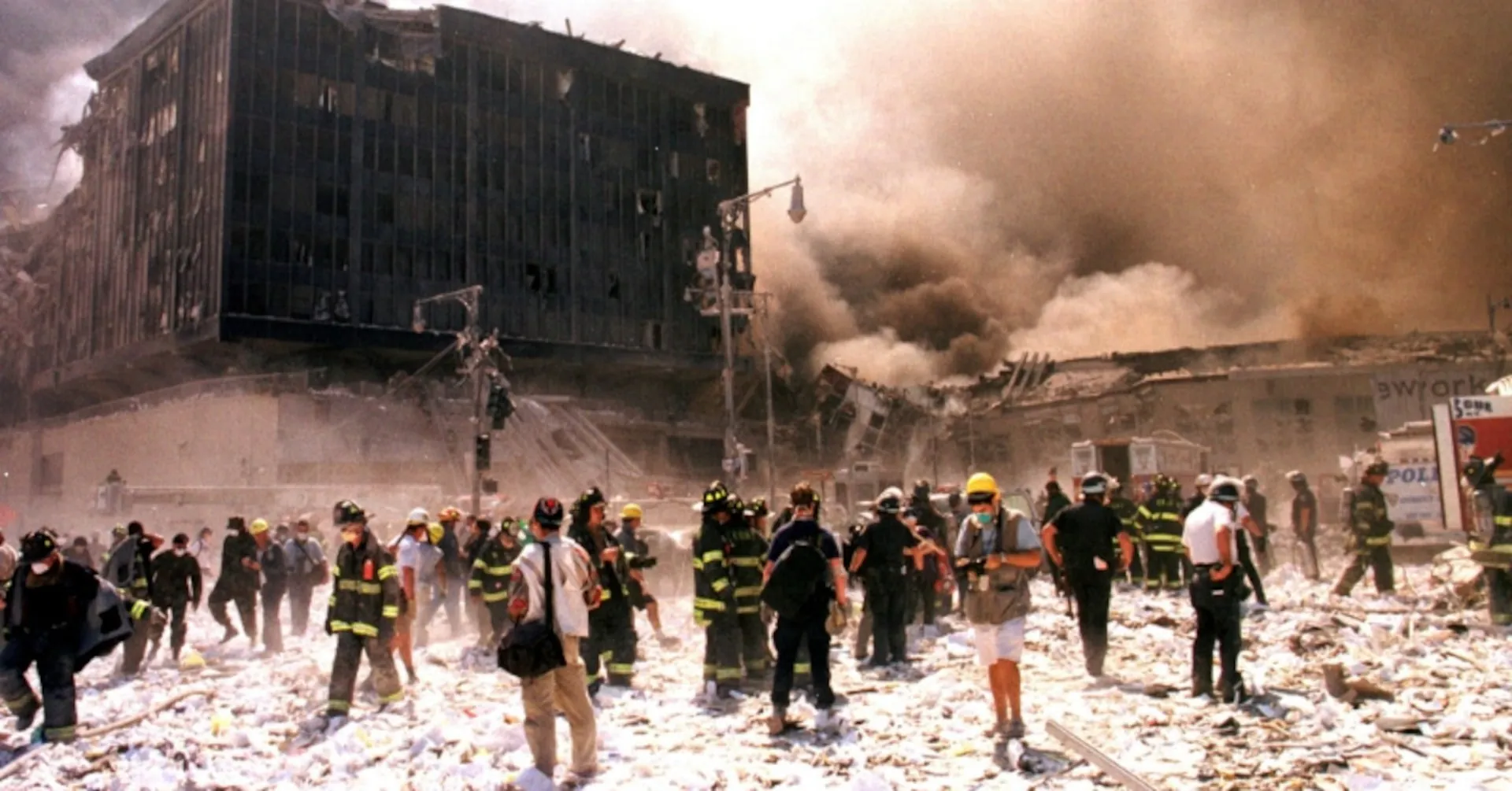
The CDC is launching a long-overdue health study on people who were children near Ground Zero on 9/11. About 25,000 kids lived or went to school in lower Manhattan that day, yet almost none were enrolled in government-funded follow-up studies. Now in their 30s and 40s, they're entering the age range where chronic diseases — cancers, heart disease, reproductive issues — begin to surface.
Nearly 25 years after the September 11 attacks, the CDC is finally launching a major health study focused on people who were children near Ground Zero when the twin towers fell. Roughly 25,000 kids were living or attending school in lower Manhattan that day — some were infants, others still in the womb — and thousands more were in surrounding Brooklyn neighborhoods. All were exposed to a massive toxic cloud of pulverized concrete, glass fibers, asbestos, and other pollutants.
Despite that exposure, almost none of these children were enrolled in the government-funded health studies that followed 9/11, which focused primarily on adult first responders. Now, as this generation enters their 30s and early 40s, scientists are racing to understand whether their early-life toxic and trauma exposure has raised their long-term risk for cancers, cardiovascular disease, and reproductive health problems.
The CDC is seeking applications to establish a World Trade Center Youth Research Coordinating Center and recruit a cohort of exposed individuals — those who were 21 or younger, or in utero, and living below 14th Street in Manhattan or anywhere in Brooklyn on or after 9/11 — alongside an unexposed comparison group.
Key Takeaways:
Why it matters: This study fills a critical gap in post-disaster public health research. Understanding the long-term health consequences of childhood toxic exposure could shape how we protect and monitor children in future disasters — from industrial accidents to conflict zones.