Loading Curie Briefs...
Getting the latest healthcare news for you
Getting the latest healthcare news for you

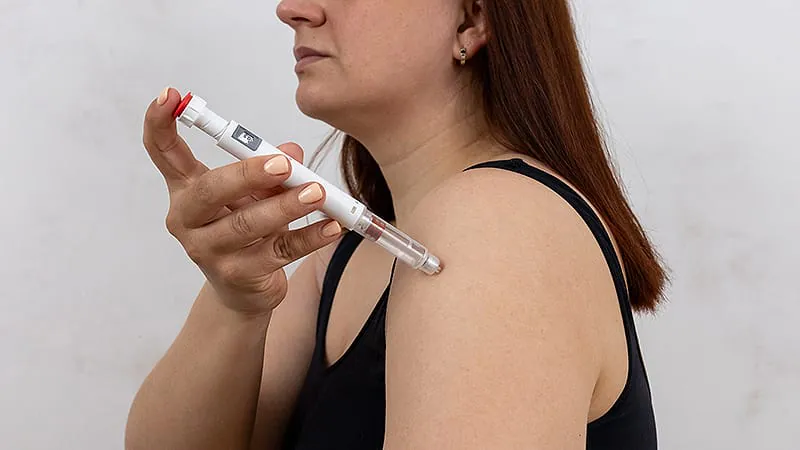
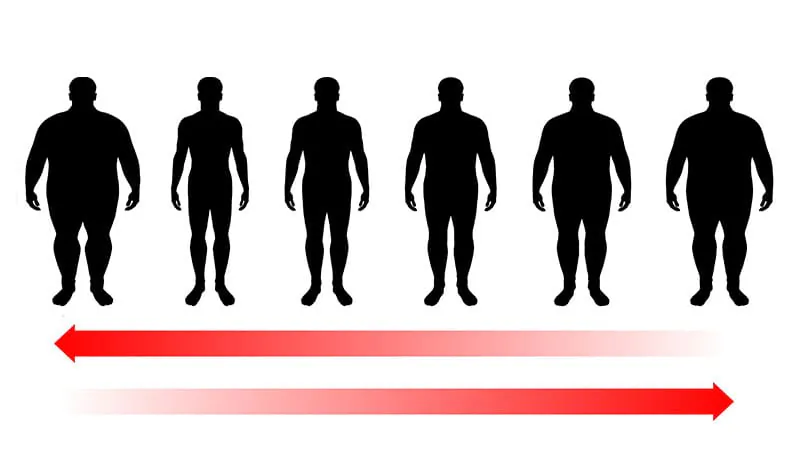
When it comes to shedding pounds, tirzepatide outperforms semaglutide — but there's a catch. A meta-analysis of over 41,000 adults found tirzepatide delivered significantly greater weight loss and blood sugar improvements, yet came with nearly double the rate of serious adverse events. Clinicians may need to weigh the efficacy gains against the safety trade-offs when choosing between these two popular incretin-based therapies.
Tirzepatide is pulling ahead of semaglutide in the weight-loss race — but the finish line comes with some caveats. A new meta-analysis pooling data from 10 head-to-head studies (3 randomized controlled trials and 7 retrospective cohort studies) involving 41,381 adults with overweight or obesity found that tirzepatide consistently outperformed semaglutide on weight reduction and glycemic control over follow-up periods of 24 to 72 weeks.
However, tirzepatide users faced a significantly higher rate of serious adverse events — 5.7% vs. 2.9% for semaglutide — nearly double the risk. Notably, treatment discontinuation rates due to side effects were similar between the two drugs, suggesting that while serious events occurred more often, they didn't necessarily drive patients off therapy.
By the Numbers:
Why it matters: As incretin-based therapies become a cornerstone of obesity and metabolic disease management, clinicians need nuanced data to guide prescribing decisions. This analysis reinforces that tirzepatide's efficacy edge is real — but so is its higher safety burden, making individualized patient assessment essential.