
Turn on cookies to sign in
Signing in saves your progress to your Curie account. We can only do that with cookies on — turn them on to continue.
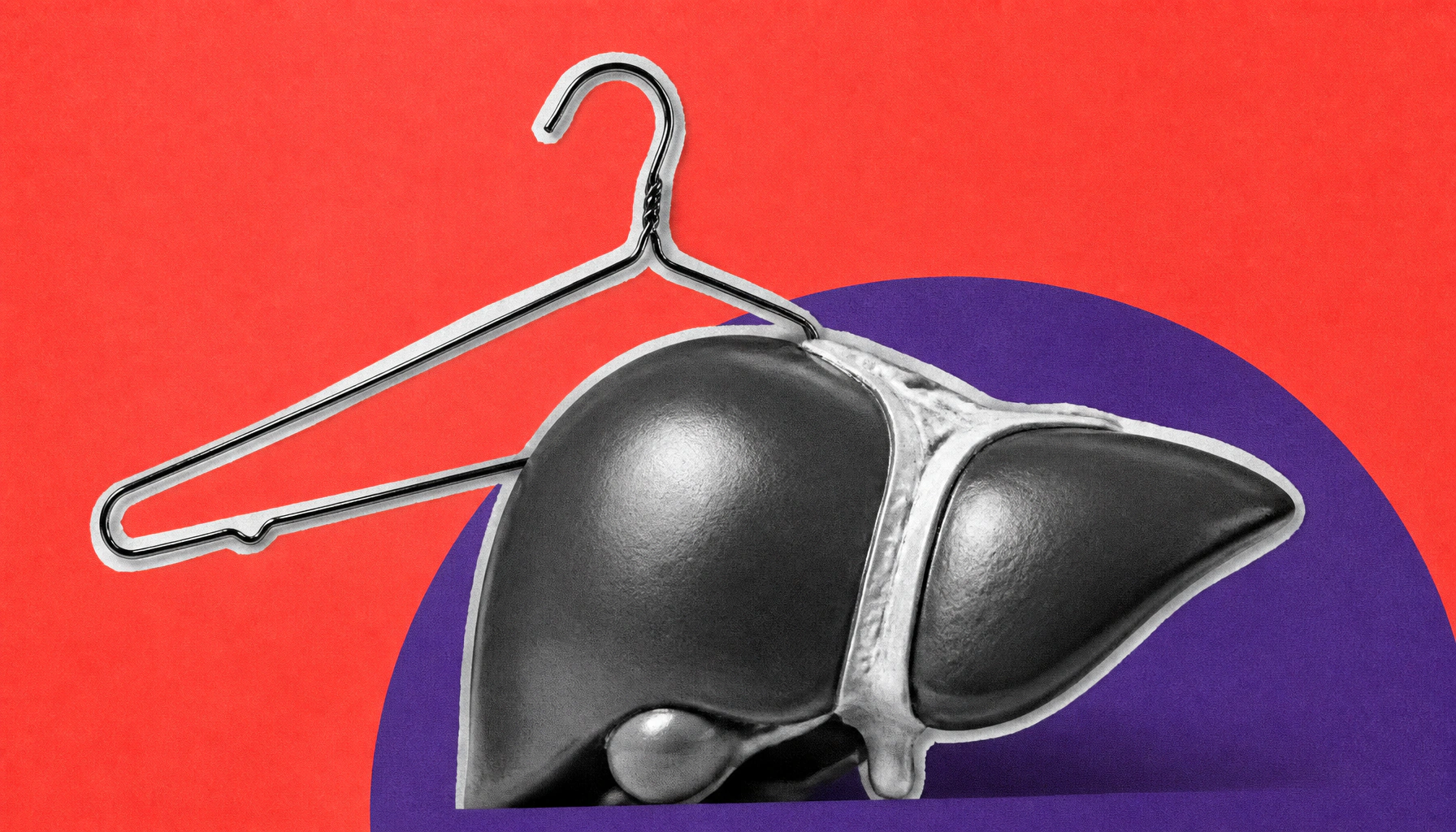
Your dry cleaner might be doing more than freshening your clothes. A new USC study found that exposure to tetrachloroethylene (PCE) — a chemical used in dry cleaning and some household products — is linked to a threefold higher risk of significant liver fibrosis. Strikingly, the risk climbed even among people without traditional liver disease risk factors like heavy drinking or obesity.
Your dry cleaner might be doing more than freshening your clothes. A new study from Keck Medicine of USC, published in Liver International, found that exposure to tetrachloroethylene (PCE) — a chemical widely used in dry cleaning and found in some household products — is associated with a threefold higher risk of significant liver fibrosis. Fibrosis, the buildup of scar tissue in the liver, can progress to liver failure or cancer if left unchecked.
What makes the findings especially notable: the elevated risk appeared even in people without the usual suspects — heavy alcohol use, obesity, or metabolic conditions. This raises the possibility that PCE exposure could help explain some otherwise difficult-to-account-for cases of liver disease.
By the Numbers:
Why it matters: PCE is already classified as a probable carcinogen, and the EPA has begun a 10-year phaseout of its use in dry cleaning. This study adds liver disease to its list of health concerns — and suggests that broader environmental screening could help clinicians catch liver disease earlier in patients who don't fit the typical risk profile.