
Turn on cookies to sign in
Signing in saves your progress to your Curie account. We can only do that with cookies on — turn them on to continue.

Climate change is expanding the reach of dengue, West Nile virus, tick-borne diseases, and more — but the epidemiologic data needed to fight back is fragmented and insufficient. A May 2026 report from the American Academy of Microbiology warns that surveillance gaps, siloed datasets, and a lack of affordable diagnostics are leaving health systems reactive rather than proactive. Italy is highlighted as a particularly vulnerable hotspot in Europe.
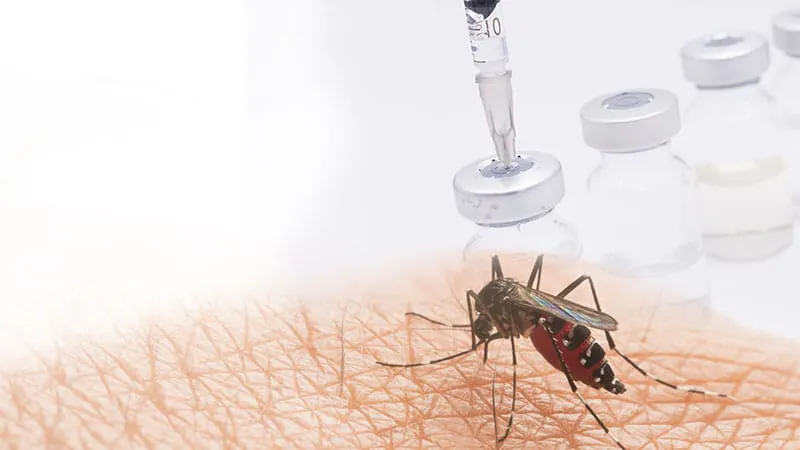
Climate change isn't just warming the planet — it's redrawing the map of infectious disease. Higher temperatures, altered rainfall, floods, and shifting animal migration routes are expanding the habitats of disease-carrying vectors like mosquitoes and ticks. A May 2026 report by the American Academy of Microbiology and the American Geophysical Union confirms that climate-driven changes are already altering where and when pathogens thrive — and that 58% of known infectious diseases have been worsened by climate change at some point.
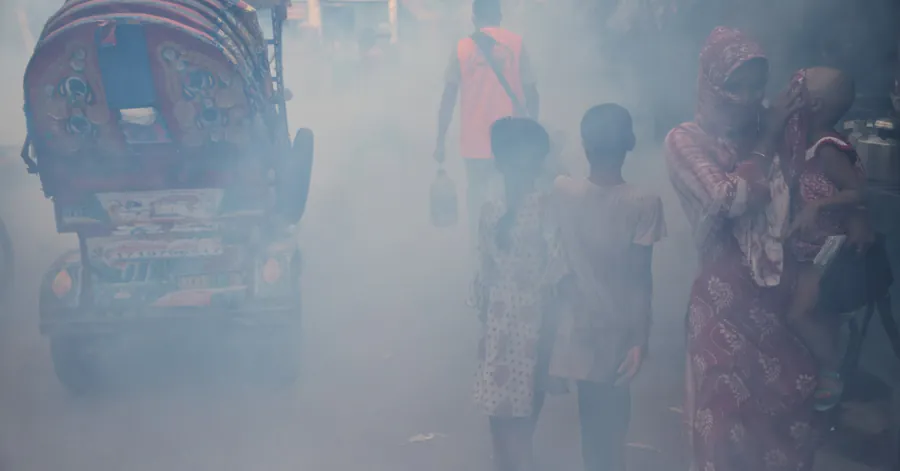
Italy is emerging as one of Europe's most exposed hotspots. West Nile virus cases have tripled in three years, dengue and chikungunya are appearing in regions where they were unknown two decades ago, and even a malaria vector absent since the 1960s was detected again in 2022. The problem isn't just the diseases themselves — it's that the data infrastructure needed to predict and respond to them is badly fragmented. Health, climate, and demographic data are often siloed, locked in PDFs, or too coarsely aggregated to capture local transmission patterns.
By the Numbers:
Why it matters: Without integrated, real-time, machine-readable data, public health systems are stuck reacting to outbreaks rather than preventing them. Experts are calling for a shift to proactive, AI-assisted predictive models — but that requires open data, sustained funding, and global cooperation that currently doesn't exist at the needed scale.