Curie Brief
Turn on cookies to sign in
Signing in saves your progress to your Curie account. We can only do that with cookies on — turn them on to continue.
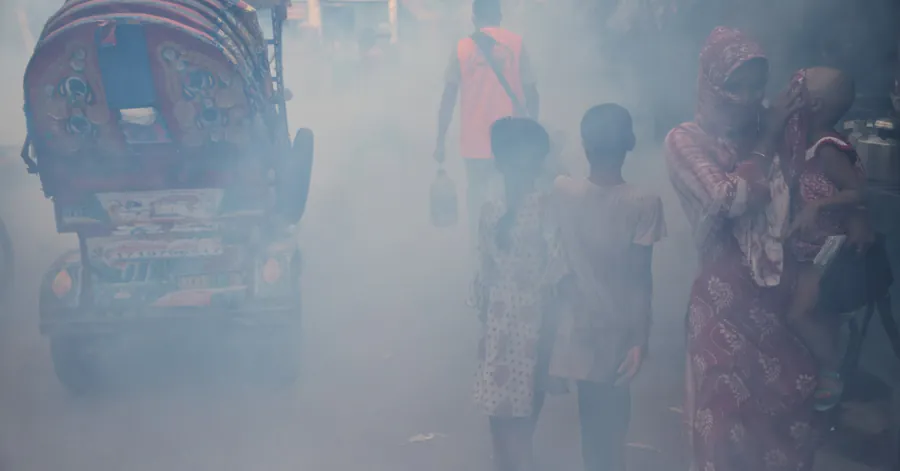
Bangladesh is weighing clinical trials of a dengue vaccine as the country grapples with a worsening outbreak — over 90,000 hospitalizations and 281 deaths so far this year. With all four dengue serotypes now circulating, repeated infections are a real risk. The crisis is compounding pressure on a healthcare system already battling the world's worst measles outbreak, which has killed more than 1,100 children.
Bangladesh is seriously considering conducting clinical trials of a dengue vaccine after a devastating outbreak that has sent over 90,000 people to hospitals and claimed 281 lives since January. State Minister for Health M.A. Muhit confirmed that all four dengue serotypes are now circulating in the country — a particularly alarming development, since immunity to one strain offers no protection against the others, making repeated infections far more likely.
The situation is expected to worsen. October alone has already seen 10,736 hospitalizations and 36 deaths, and experts warn that recent heavy rainfall has created ideal mosquito breeding conditions. Health specialists note that fogging alone won't cut it — eliminating standing water and breeding sites is critical. Climate change is also shifting mosquito behavior, extending breeding seasons and complicating transmission forecasts. Bangladesh's healthcare system is under enormous strain, simultaneously fighting the world's worst measles outbreak, which has killed over 1,100 children this year.
By the Numbers:
Why it matters: With all four dengue strains active and climate-driven mosquito seasons growing longer, Bangladesh's push toward vaccine trials signals a shift from reactive crisis management to longer-term disease control — a move that could have implications for dengue-endemic countries worldwide.