Curie Brief
Turn on cookies to sign in
Signing in saves your progress to your Curie account. We can only do that with cookies on — turn them on to continue.
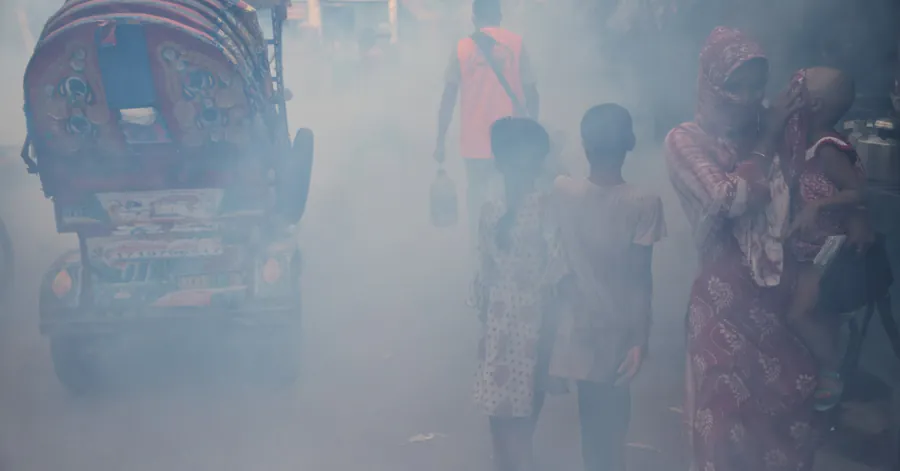
Florida is seeing a dramatic spike in locally acquired dengue cases in 2026, with the outbreak shifting northward from its traditional South Florida footprint to the Tampa Bay area. Three counties have declared states of emergency, and one fatality has been confirmed. With no dengue vaccine available in the US and climate change expanding mosquito ranges, experts warn this threat is only growing.
Florida is in the middle of its worst locally acquired dengue outbreak in recent memory — and it's moving in a new direction. Historically concentrated in South Florida, the 2026 surge has shifted north to the Tampa Bay area, with Hillsborough, Pasco, and Pinellas counties all declaring states of emergency. One death has been confirmed: an 80-year-old Tampa woman who may have had a prior dengue infection, making her second encounter with the virus potentially fatal due to a phenomenon called antibody-dependent enhancement (ADE), where prior antibodies actually help the virus invade immune cells rather than neutralize them.
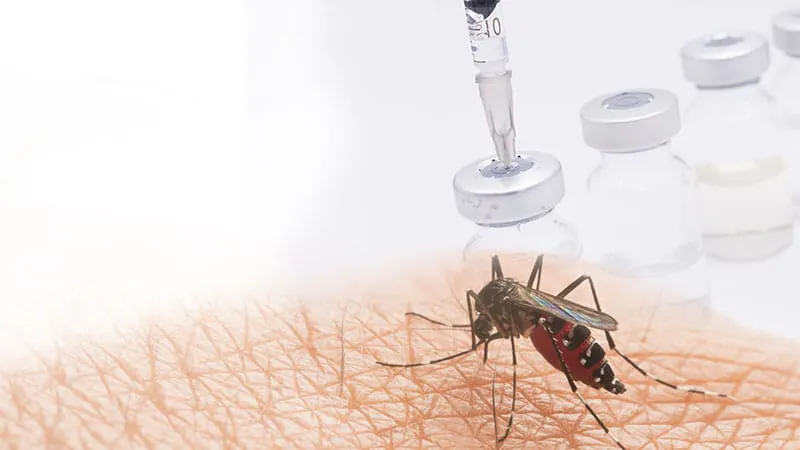
Making matters worse, the US currently has no dengue vaccine on the market. Sanofi's Dengvaxia was discontinued due to low global demand, and Takeda voluntarily withdrew its FDA application for Qdenga in 2023. Globally, Qdenga has been approved in 40+ countries with over 32 million doses distributed — but US access remains off the table for now.
By the Numbers:
Why it matters: Dengue is no longer a distant tropical threat — it's arriving in American backyards. With no US-approved vaccine, a warming climate expanding mosquito habitats, and a virus that becomes more dangerous with repeat infections, public health officials and clinicians need to be on high alert.