Turn on cookies to sign in
Signing in saves your progress to your Curie account. We can only do that with cookies on — turn them on to continue.
MIT researchers have identified a key biological pathway — driven by a protein called YAP1 — that colon cancer hijacks to spread to other organs. A high-fat diet can amplify this process by boosting production of fatty molecules called ceramides. Blocking ceramide-producing enzymes could be a powerful new strategy to prevent deadly metastasis.
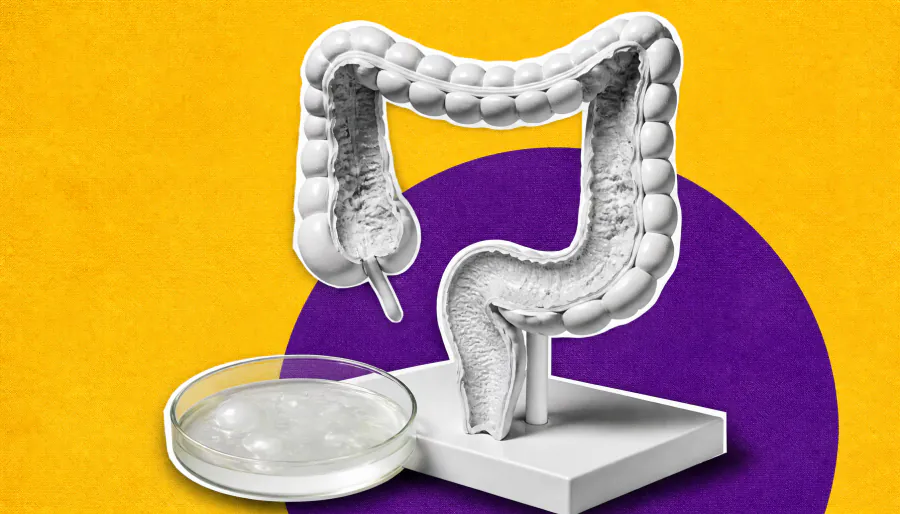
MIT biologists have cracked open a major mystery in colorectal cancer: how tumor cells escape the colon and colonize distant organs like the liver. The culprit is a protein called YAP1, which normally helps damaged tissues heal. Cancer cells hijack this regenerative program to gain the mobility and resilience needed to spread — a process known as metastasis, which accounts for most colon cancer deaths.
The team also found a surprising dietary connection. In mice, a high-fat diet ramped up production of fatty molecules called ceramides, which disable the molecular "off switch" for YAP1 — essentially giving cancer cells a green light to activate their spread program. In human patients, higher YAP1 activity was linked to worse survival outcomes, and patients with higher BMI showed even greater YAP1 gene activity.
The researchers are now targeting DEGS1 and DEGS2 — two enzymes that produce ceramides — as potential drug targets to block metastasis before it starts.
Key Takeaways:
Why it matters: Up to one-third of early-stage colon cancer patients experience metastatic recurrence after surgery. A druggable pathway that prevents spread — rather than just treating it — could be a game-changer for long-term survival.