Turn on cookies to sign in
Signing in saves your progress to your Curie account. We can only do that with cookies on — turn them on to continue.
Six months into a deadly Ebola outbreak in the DRC, the WHO has refreshed its response recommendations — urging faster vaccine and treatment trials, better community engagement, and stronger security for health workers. Over 12,000 cases and nearly 6,000 deaths have been recorded, with at least 94 attacks on healthcare facilities complicating containment efforts. The outbreak remains a Public Health Emergency of International Concern (PHEIC).
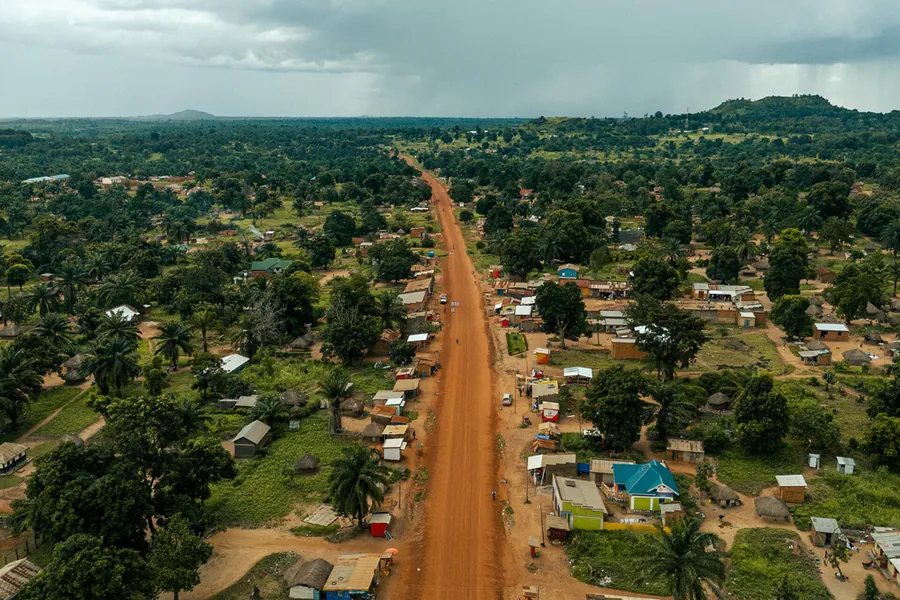
Six months after declaring a Public Health Emergency of International Concern, the WHO has issued updated recommendations to tackle the ongoing Ebola (Bundibugyo virus disease) epidemic in the Democratic Republic of the Congo. The revised guidance, issued by Director-General Dr. Tedros Adhanom Ghebreyesus on November 25, 2026, follows the third meeting of the IHR Emergency Committee and confirms the outbreak still meets PHEIC criteria.
The updated plan zeroes in on two major pain points: insecurity and slow clinical research. Armed conflict has led to at least 94 verified attacks on healthcare facilities since the PHEIC was declared, severely hampering humanitarian access and putting patients and health workers at risk. Meanwhile, the Committee is pushing for accelerated clinical trials of candidate vaccines and treatments — without compromising scientific or ethical standards — and stresses the importance of community trust and transparent communication.
By the Numbers:
Why it matters: With thousands of lives lost and no end in sight, the WHO's updated roadmap highlights that beating Ebola isn't just a medical challenge — it's a security and trust challenge too. Faster research, safer health facilities, and stronger community engagement are now front and center in the global response.