Turn on cookies to sign in
Signing in saves your progress to your Curie account. We can only do that with cookies on — turn them on to continue.
Researchers at KAIST discovered that a cellular "cleanup" process — one that removes defective proteins made during protein synthesis — plays a key role in keeping the body's circadian clock on time. Using fruit flies, the team found that disrupting this quality control system weakened daily activity rhythms and lengthened circadian periods. The findings could open new doors for understanding sleep disturbances linked to aging and neurodegenerative diseases.
Researchers at South Korea's KAIST have uncovered a surprising new player in circadian rhythm regulation: the cellular machinery that clears out defective proteins during protein synthesis. Using fruit flies as a model, the team found that when this "ribosome-associated quality control" (RQC) system breaks down, the body's internal clock goes haywire — producing weaker daily rhythms and longer-than-normal circadian periods.
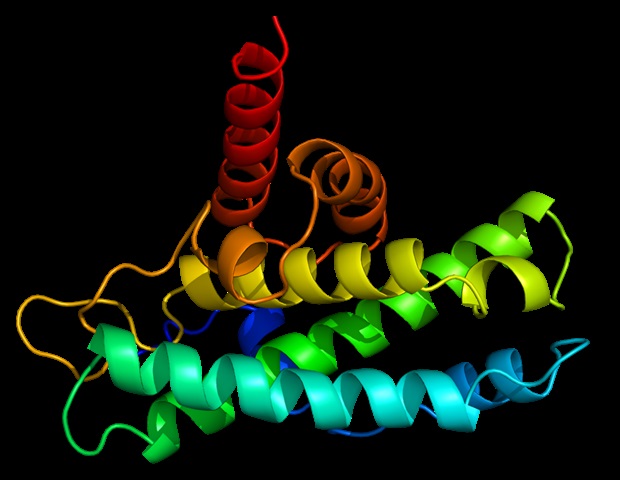
The key insight is that accurate timekeeping isn't just about how much of a clock protein gets made or broken down — it also depends on how cleanly it's made. When two proteins central to this cleanup process (Caliban and Listerin) were suppressed in clock neurons, the buildup of the critical clock protein PERIOD (PER) was delayed, throwing off the entire rhythm.
Key Takeaways:
Why it matters: Sleep disruptions are a hallmark of aging and neurodegenerative diseases like Alzheimer's and Parkinson's. This study identifies a previously unknown mechanism behind circadian regulation, potentially pointing toward new therapeutic targets for these hard-to-treat conditions.