Turn on cookies to sign in
Signing in saves your progress to your Curie account. We can only do that with cookies on — turn them on to continue.
Your brain might be doing something computers simply can't replicate. A new theory from researchers at the Hebrew University of Jerusalem proposes that memories are chemically encoded — not just electrically — through complex interactions between neurons, astrocytes, and surrounding molecules. This biochemical link between memory, emotion, and thought may be exactly what separates human consciousness from even the most powerful AI.
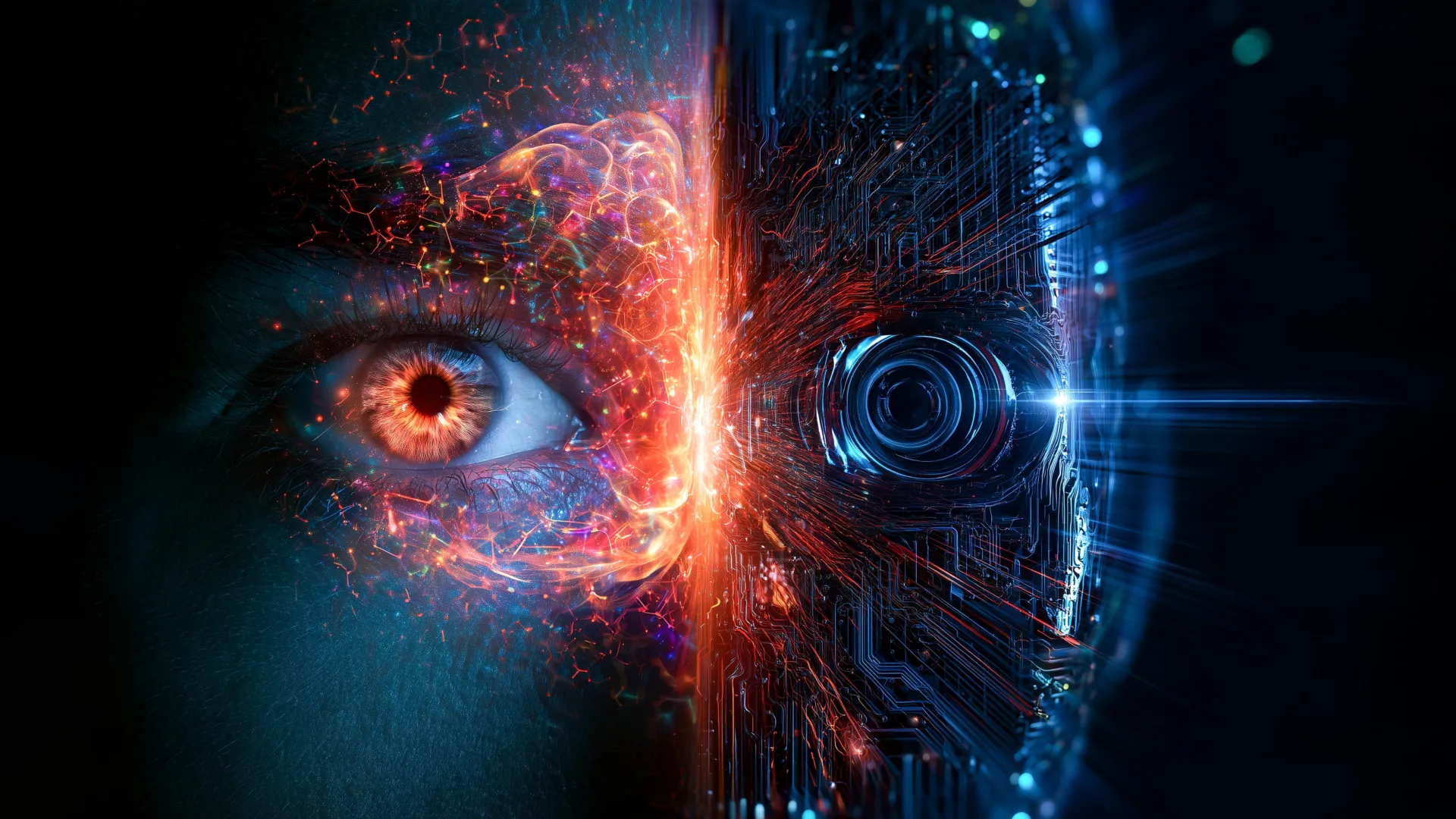
Your brain might be doing something computers simply can't replicate. Researchers Dr. Gerard Marx and Professor Chaim Gilon have proposed a new theory — the Tripartite Mechanism of Memory — suggesting that the brain doesn't just communicate through electrical signals. Instead, it may "write" and "read" memories through rich chemical interactions involving neurons, astrocytes, and the molecular environment surrounding them. This means memory isn't just data storage; it's a deeply biological, chemistry-driven process.
What makes this theory especially compelling is its explanation for why memories carry emotional weight. The scent that brings back a childhood moment, or the song that triggers a physical reaction — these aren't glitches. According to the researchers, neurotransmitters and other chemical messengers may encode emotional significance alongside cognitive information, making memory and emotion inseparable at a biological level.
Key Takeaways:
Why it matters: As AI grows more capable, understanding what truly distinguishes human cognition becomes critical — not just philosophically, but for neuroscience, mental health research, and the future of brain-computer interfaces.