Turn on cookies to sign in
Signing in saves your progress to your Curie account. We can only do that with cookies on — turn them on to continue.
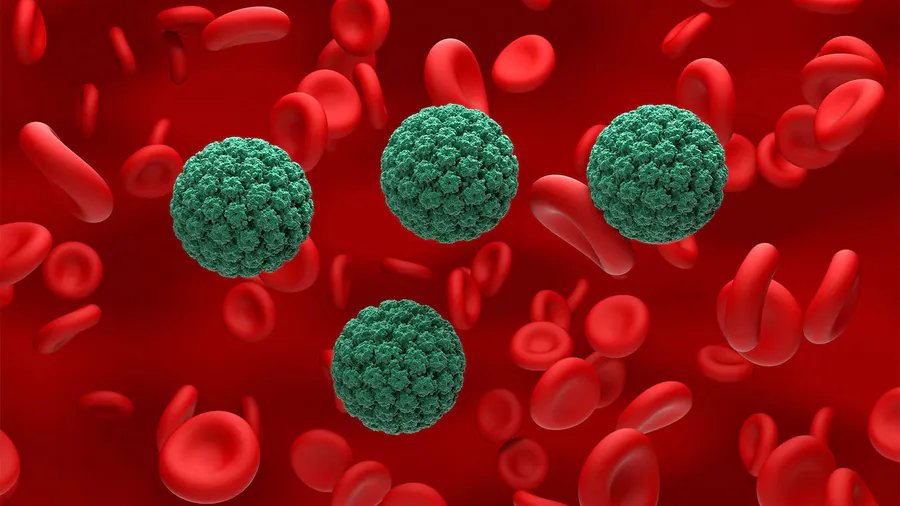
It's not just how much HPV you have — it's where it's headed. A large prospective study found that women with persistently high or increasing HPV viral loads face dramatically greater risks of cervical lesions, including a 124-fold higher odds of any lesion and a ninefold higher risk of high-grade lesions. Researchers say tracking viral load trajectories over time could identify who's truly at risk far better than a single baseline measurement.
A snapshot isn't enough. A new prospective cohort study published in Cancer found that longitudinal HPV viral load trajectories — not just a single baseline reading — are far better predictors of cervical cancer lesion risk. Among 624 women with persistent HPV infection, researchers identified four distinct viral load patterns over time, and the differences in outcomes were striking.
Women in the "persistently high" trajectory group had a 124-fold greater odds of developing any cervical lesion compared to those in the "low-stable" group, and a ninefold higher risk of high-grade squamous intraepithelial lesions (HSILs) — the most advanced precancerous lesions. Notably, even women in the "moderate-declining" group had nearly twice the odds of any lesion compared to low-stable patients, underscoring that trajectory direction matters as much as magnitude.
Key Takeaways
Why it matters: A single HPV viral load test may give clinicians an incomplete picture. Incorporating trajectory analysis into cervical cancer screening could help personalize monitoring and intervention strategies — potentially catching high-risk patients earlier and sparing low-risk patients from unnecessary procedures.