Turn on cookies to sign in
Signing in saves your progress to your Curie account. We can only do that with cookies on — turn them on to continue.
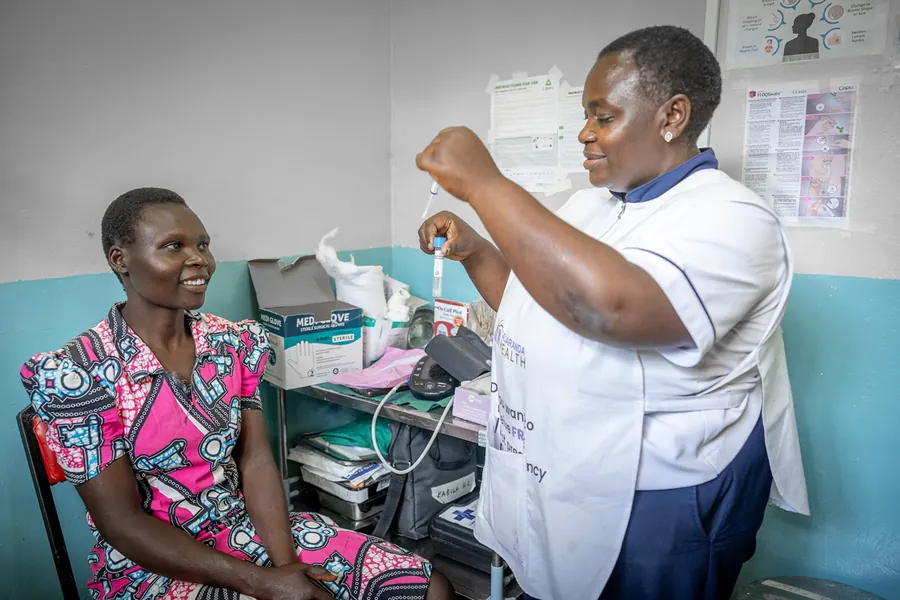
Three in five women aged 30–49 have never been screened for cervical cancer, and the gap between rich and poor countries is stark. On World Cervical Cancer Elimination Day, WHO is calling for urgent action as nations from Brazil to New Zealand roll out new HPV testing programs. The goal: make screening and treatment a reality for every woman, everywhere.
Three in five women between the ages of 30 and 49 have never been screened for cervical cancer, according to new WHO estimates — and the disparity between high- and low-income countries is glaring. Only 2% of women in low- and middle-income countries received HPV testing in the past five years, compared to 32% in wealthier nations. On World Cervical Cancer Elimination Day, WHO is urging countries to close this gap by bringing screening services to underserved populations and ensuring that positive results lead to timely follow-up care.
Countries are responding with concrete action. Brazil now offers HPV DNA testing through its public health system in 26 of 27 states. New Zealand unveiled a Cervical Cancer Elimination Plan 2026–2040, with free screening for all eligible women starting March 2027. Sierra Leone, Cabo Verde, and El Salvador are also expanding HPV-based screening with WHO and PAHO support.
By the Numbers:
Why it matters: Cervical cancer is largely preventable, yet it remains a leading killer of women in low-income countries. These global commitments signal that elimination is achievable — but only if screening and treatment reach the women who've been left behind.