Turn on cookies to sign in
Signing in saves your progress to your Curie account. We can only do that with cookies on — turn them on to continue.
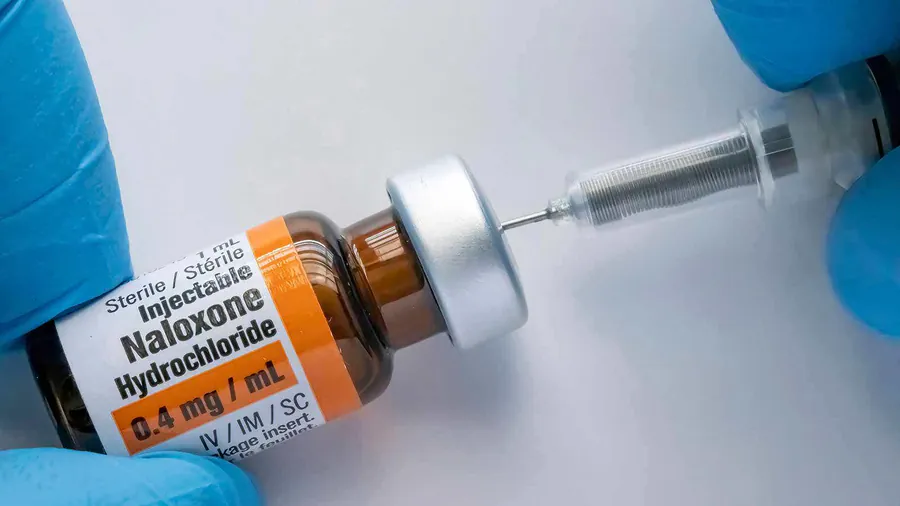
Naloxone alone isn't enough to fight the opioid crisis. A Stanford medical student is making the case — and the curriculum change — for comprehensive overdose education that includes rescue breathing, compassionate care, and human connection. Stanford Medicine now requires opioid overdose training for all incoming medical and PA students.
A Stanford medical student and student body president, Brian Zhang, is calling on medical schools to go beyond simply handing out naloxone kits. Drawing on a personal experience reversing an overdose as a college freshman in New Haven, Zhang argues that comprehensive overdose education must also cover rescue breathing techniques, post-reversal care, and the human side of treating people with substance use disorders.
Zhang and his peers successfully pushed Stanford University School of Medicine to make opioid overdose training a required part of the curriculum for all incoming medical and physician assistant students — a significant step, given that a 2024 systematic review found only 9.4% of 192 institutions had formal opioid use disorder training programs. The training includes hands-on CPR practice and is led by an instructor with lived experience of substance use.
By the Numbers:
Why it matters: With the opioid epidemic still claiming lives — particularly in disproportionately affected regions — equipping the next generation of clinicians with both the tools and the empathy to respond effectively could be a critical piece of the public health puzzle.