Turn on cookies to sign in
Signing in saves your progress to your Curie account. We can only do that with cookies on — turn them on to continue.
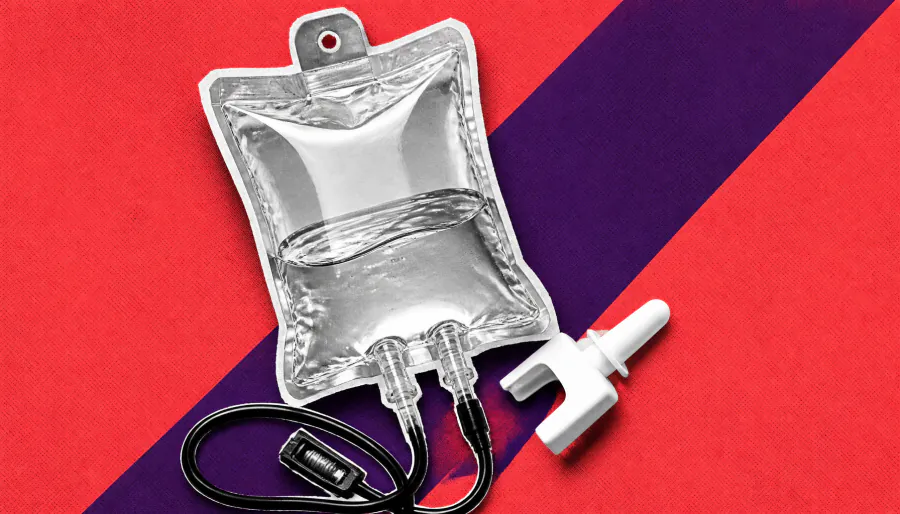
A dangerous veterinary sedative is now showing up in nearly all street opioids. The American Society of Addiction Medicine (ASAM) has issued its first-ever clinical guidance for managing medetomidine intoxication and withdrawal — a condition that can turn life-threatening fast. Unlike opioid withdrawal, medetomidine withdrawal doesn't respond to standard treatments, leaving clinicians scrambling for new approaches.
A veterinary sedative is now a major public health crisis. Medetomidine, first detected in the unregulated opioid supply in 2021, has exploded in prevalence — reaching up to 90% nationally by December 2025, with the heaviest concentrations in the Northeast and Midwest. In response, ASAM has released its first clinical guidance to help emergency and addiction care teams identify and treat patients exposed to this adulterant.
The challenge? Medetomidine doesn't play by the usual rules. Naloxone — the go-to overdose reversal drug — has no effect on medetomidine, meaning patients may remain sedated even after treatment. Withdrawal symptoms like extreme tachycardia and dangerously high blood pressure often don't respond to typical withdrawal medications, and cases can escalate from mild to severe without warning.
Key Takeaways:
Why it matters: With medetomidine now pervasive in the drug supply and no rapid point-of-care test available, clinicians need updated protocols now. This guidance gives frontline teams a critical roadmap for a crisis that's only getting worse.