Turn on cookies to sign in
Signing in saves your progress to your Curie account. We can only do that with cookies on — turn them on to continue.
Researchers at UVA Health have cracked open a major mystery in Alzheimer's research. A gene called CASS4 helps the brain's immune cells contain toxic plaques — and when it fails, those plaques spread faster and cognitive decline worsens. The discovery opens a new door for early detection and immune-targeted therapies.
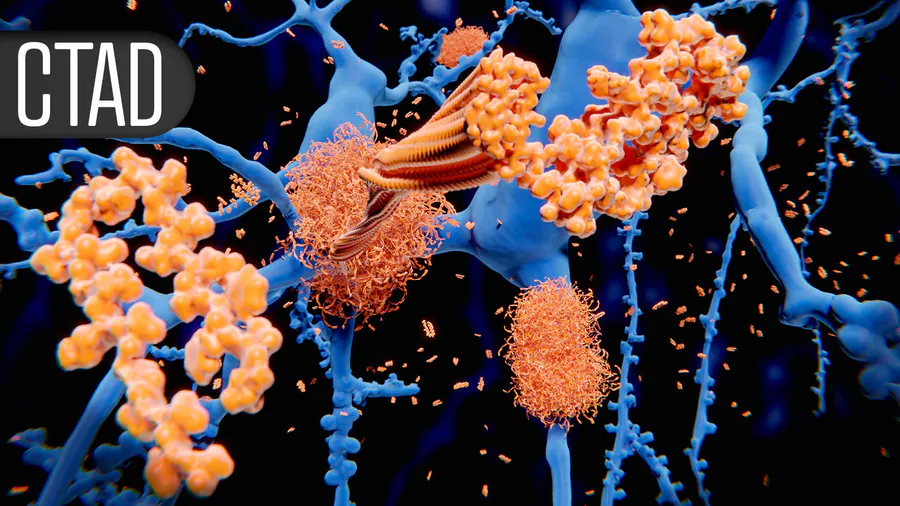
Scientists at UVA Health have uncovered what the Alzheimer's risk gene CASS4 actually does in the brain — and the answer could reshape how we approach treatment. Rather than acting through neurons as previously assumed, CASS4 turns out to play a key role in microglia, the brain's specialized immune cells. These cells normally surround and compact amyloid-beta plaques, keeping them contained. When CASS4 was disrupted in mice, microglia lost that ability, plaques spread more aggressively, nearby neurons were damaged, and cognitive function declined.
The findings, published in the Journal of Experimental Medicine, suggest that boosting CASS4 activity — or improving microglial function more broadly — could be a viable strategy to slow or even prevent Alzheimer's. Researchers also believe that defective CASS4 activity could serve as an early biomarker, potentially flagging at-risk individuals before symptoms appear.
Key Takeaways:
Why it matters: With over 6 million Americans living with Alzheimer's and no cure in sight, identifying immune-based therapeutic targets like CASS4 represents a largely untapped avenue — one that could complement existing approaches focused on amyloid and tau.