Turn on cookies to sign in
Signing in saves your progress to your Curie account. We can only do that with cookies on — turn them on to continue.
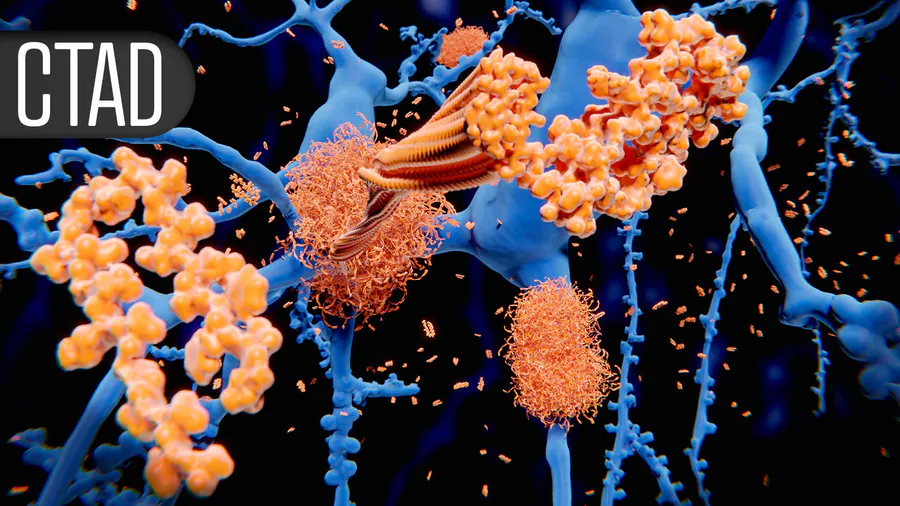
Receiving Alzheimer's results digitally works just as well as a telehealth visit. The eSMARTER randomized trial found that delivering APOE genetic and p-tau217 biomarker results via a digital platform caused no more anxiety, distress, or knowledge gaps than a clinician-led telehealth session. The findings could pave the way for scalable digital tools to help patients better understand complex health information directly through their patient portals.
The eSMARTER randomized trial found that delivering APOE genetic and phosphorylated tau 217 (p-tau217) biomarker results through a digital platform was noninferior to a telehealth visit with a clinician — meaning patients experienced no greater anxiety, distress, or knowledge gaps when they received their results digitally.
The trial enrolled 651 adults ages 60–80, randomizing them to either a clinician-led telehealth disclosure or a patient-centered digital platform. Among APOE4 carriers, there were a few small short-term differences — slightly higher distress and lower satisfaction in the digital arm at 1–7 days — but these did not persist over time and were not clinically meaningful.
By the Numbers:
Why it matters: Under the 21st Century Cures Act, most test results — including Alzheimer's biomarkers — must be immediately available to patients, often as a static PDF with no context. This trial suggests that well-designed digital tools could fill that gap, helping patients understand complex results without waiting for a follow-up appointment.